Building Phonological Awareness that Actually Supports Useful Skills
A clear routine for teaching the phonological awareness skills that actually transfer to reading and spelling.
Yes, phonological awareness is absolutely worth teaching. And when you teach the right skills the right way, this is what happens:
Your students hit a word they've never seen before, and instead of guessing or freezing, they have a process. They break it into syllables, blend the sounds, and check it against meaning. When they spell, they do the same thing in reverse.
You're not drilling sounds in isolation and hoping it sticks. You know exactly which skills you're targeting and why, because you've matched each one to the outcome you actually want, whether that's decoding, spelling, or self-correction.
And the best part? This isn't one more thing added to your block. It's a quick routine you build into the reading you're already doing, using the words your students are about to read anyway.
But here's what often happens...
You've heard how important phonological awareness is.
You've also heard the pushback.
Some sources say drill it daily, others say it's a waste of time past first grade, and somewhere in the middle, you're left wondering what you're actually supposed to do.
So maybe you've kept doing the rhyming and the sound games, but you're not sure any of it is really that important. Or maybe you stepped back from it because "my students already learned this in kindergarten."
And then a student hits an unfamiliar word in a passage, and it all falls apart.
They can't hold the sounds in memory long enough to blend them. They spell a word, but miss several sounds. They misread a single sound and re-read the whole word three times instead of fixing the one thing that was off.
You've been doing the work. But the research feels like it's pulling you in different directions, and the practice doesn't feel like it’s transferring the way it should.
Does any of this sound familiar?
➡️ You're not sure whether you should still be teaching phonological awareness, or how much, especially past the early grades.
➡️ Your students do fine on the sound games but can't apply those skills when they hit a hard word in real text.
➡️ You have a student who spells a word but misses sounds and has no way to catch the error.
➡️ You've got students who misread one sound and start the whole word over instead of fixing it.
➡️ You feel like you're drilling sounds in isolation without a clear sense of which skills actually matter for which students.
If any of that resonates, this training is for you.
Start teaching phonological awareness as a connected routine that bridges sound, symbol, and meaning.
In This Training, You'll Learn How To
→ Use a phonological awareness routine that fits naturally into the reading you're already doing
→ Target the four core skill sets based on the outcome you actually want, whether that's decoding, spelling, or fluency
→ Help students connect sound awareness directly to reading and spelling, so the practice transfers
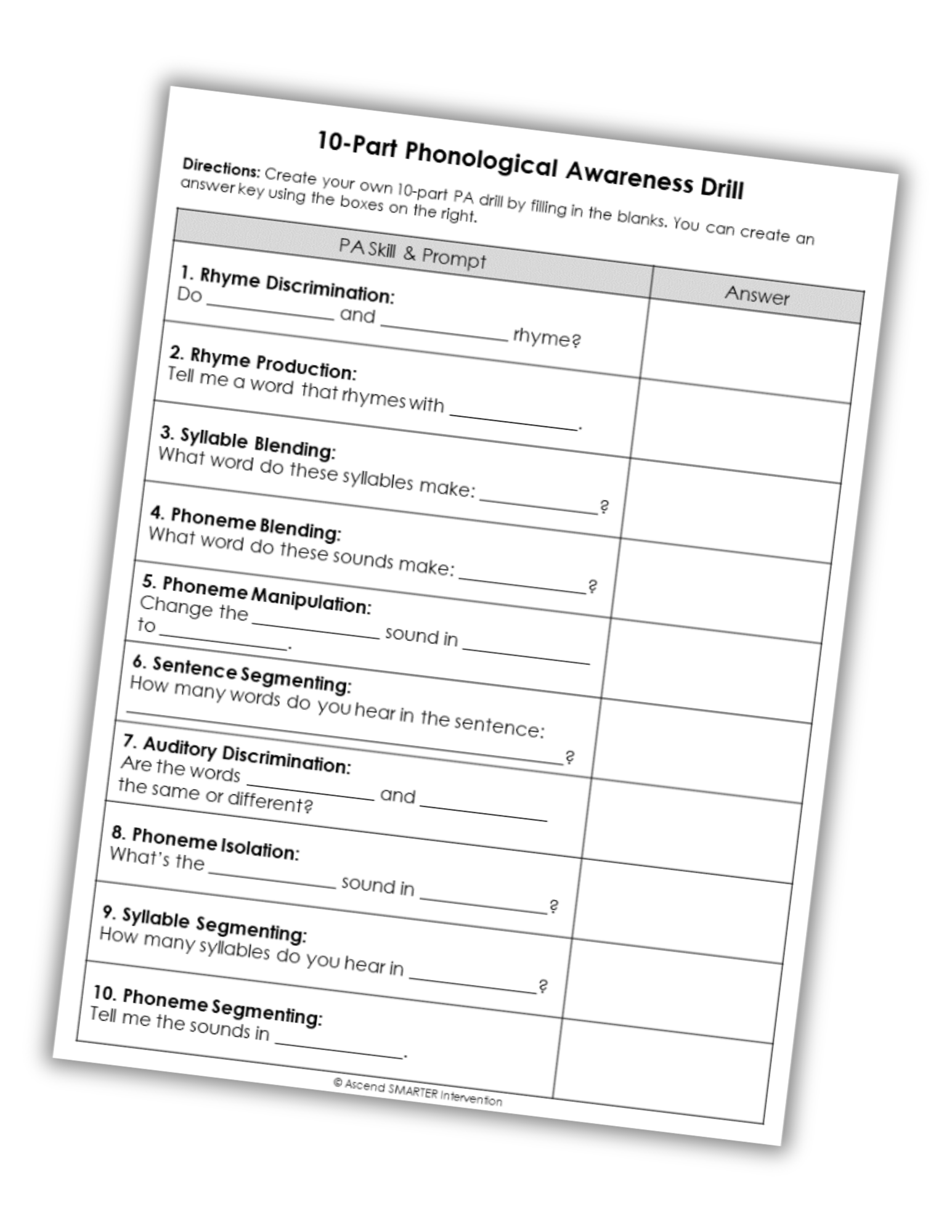
→ Build a quick, customizable warm-up drill aligned to the text or phonics pattern your students are about to encounter
→ Decide which skills are worth your time for each student, and which ones you can let go
→ Measure phonological awareness across sub-skills so you know exactly where to focus
What You’ll Get:
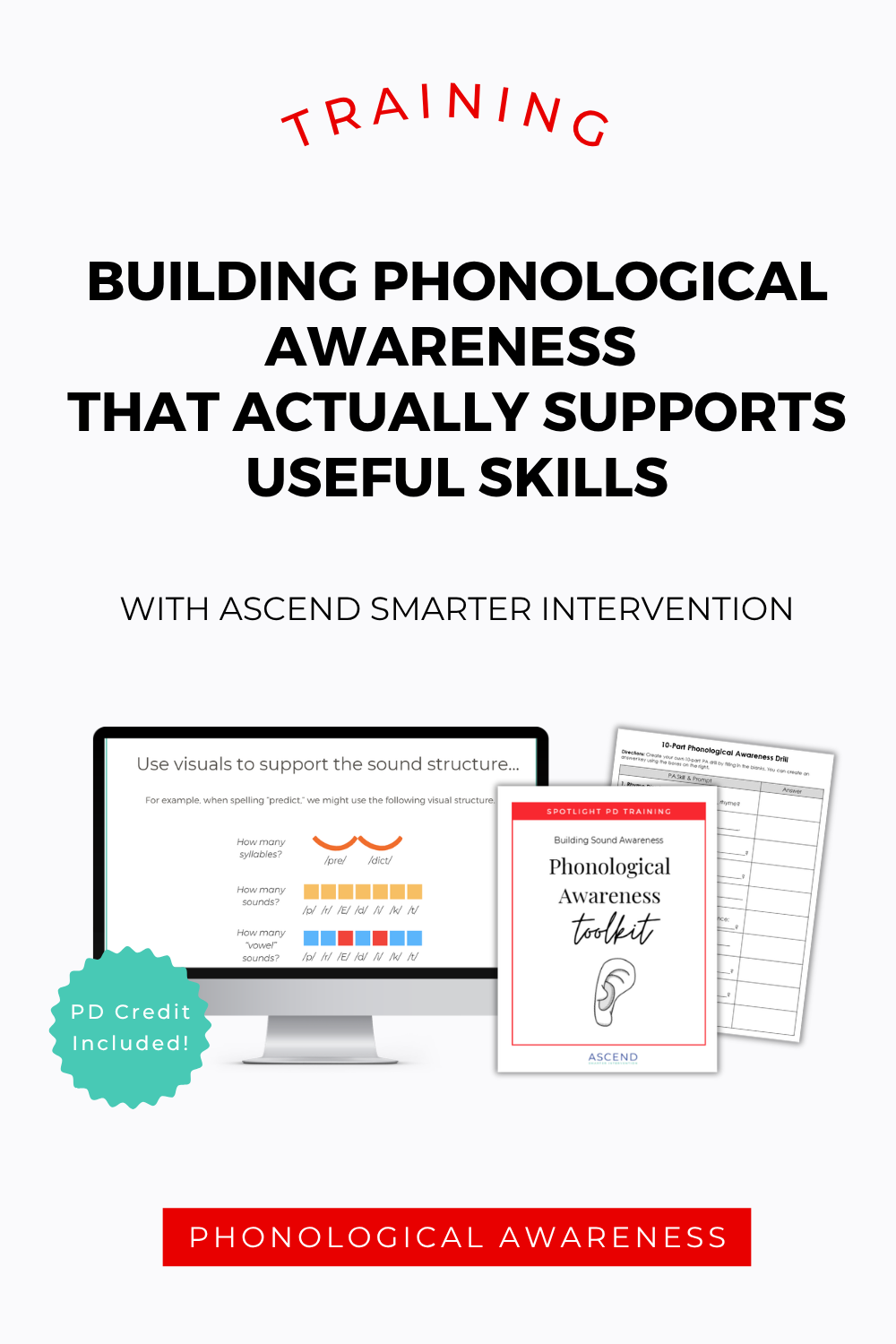
✅ 1-Hour On-Demand Video Training - Watch on your own time, at your own pace. Come back to it whenever you need a refresher. The training walks you through the full phonological awareness routine with clear explanation and real examples, including footage of the routine in action with a student, so you can see exactly how it works.
✅ The Phonological Awareness Toolkit - A done-for-you resource library that includes the editable 10-Part PA Drill (your one-page anchor for the whole routine), plus task cards, games, and activities for all four skill sets: differentiating, blending, segmenting, and manipulating. It also includes comprehensive progress-monitoring records with grade-level benchmarks and the "Creating the PA Bridge" guides that connect every skill directly to reading and spelling.
✅ 1-Hour PD Certificate - Complete a short quiz after the training and receive your professional development certificate automatically by email.
✅ Lifetime Access - This training is yours to keep. Come back anytime, whether that's next week, next semester, or three years from now.
Everything you need to start implementing immediately.
Here’s how it works:
Get a Sneak Peek at the Phonological Awareness Toolkit
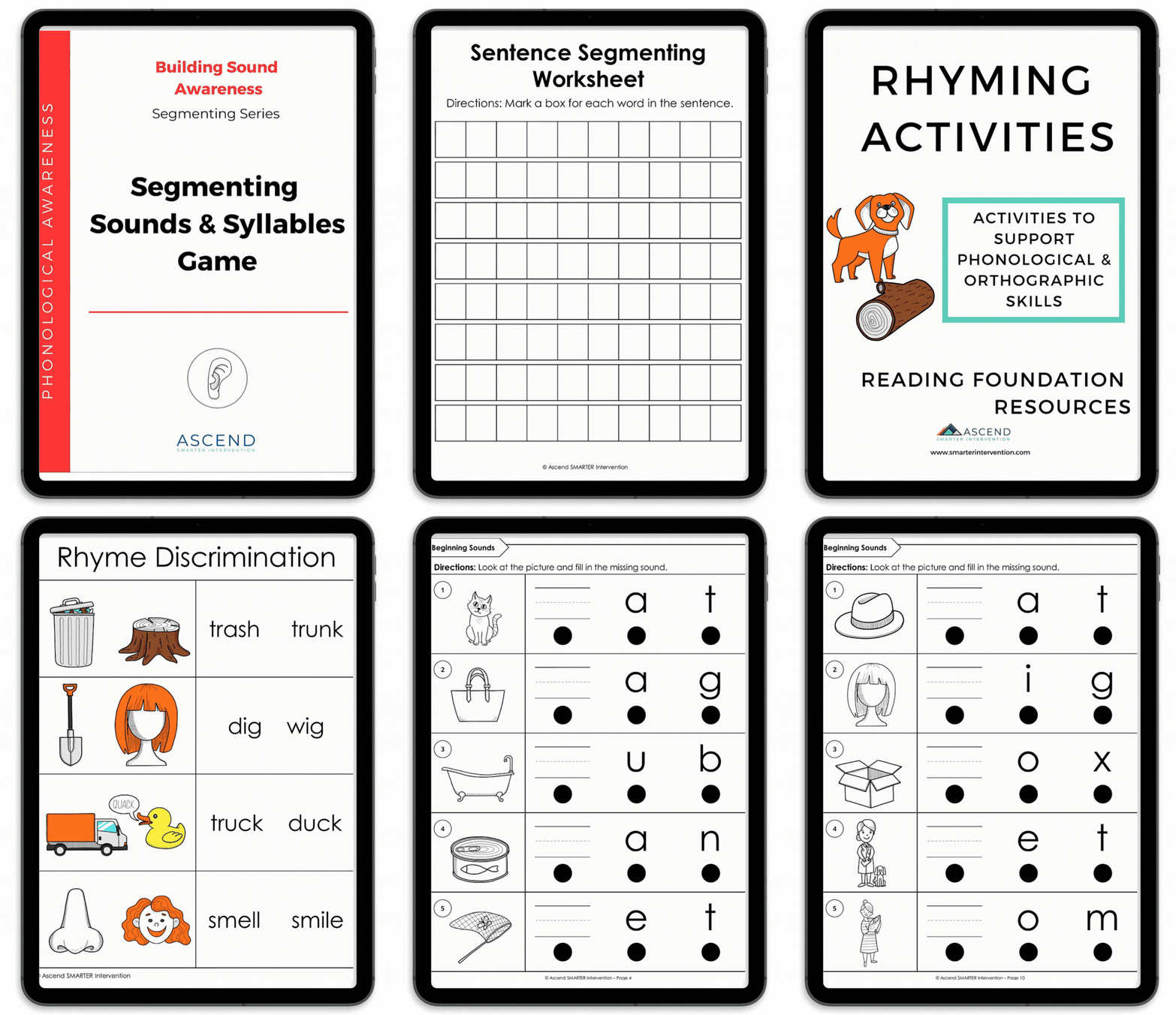
☝️ Just some of the resources included in the Phonological Awareness Toolkit!
The toolkit is a working system. Phonological awareness skills develop unevenly, so you print what you need, target what each student needs most, and return to sections as they grow.
Here's a look at what's inside:
The 10-Part PA Drill (Your one-page anchor for the whole routine)
Differentiating Resources (Auditory discrimination and rhyme activities that help students hear the difference between similar sounds)
Blending Resources (Syllable and phoneme blending task cards that build the bridge to decoding, scaling from two-sound words all the way up to multisyllabic, content-area vocabulary)
Segmenting Resources (Sentence, syllable, and phoneme segmenting activities that help students learn to spell with confidence)
Manipulating Resources (Addition, deletion, substitution, and rhyme production cards and drills that build the flexibility students need to self-correct a misread word without starting over)
Progress Monitoring and the PA Bridge Guides (Grade-level benchmarks and individual progress-monitoring records for every sub-skill, plus a student-facing progress graph)
Print-and-go. Use what fits. Return to sections as you need them.
This training is designed for educators who:
→ Aren't sure how much phonological awareness to teach, or whether to keep teaching it past the early grades
→ Work with students whose sound skills aren't transferring to actual reading and spelling
→ Support students who struggle to sound out or spell unfamiliar words
→ Want a routine that builds into existing instruction instead of adding another block
→ Want a research-aligned approach to phonological awareness that actually shows them how it fits into a lesson
→ Teach across grade levels and need something that scales from simple words to multisyllabic, content-area vocabulary
This training is especially helpful for:
Educators in intervention settings, where structured, explicit instruction is critical and equally applicable in general education classrooms, for teachers who want to strengthen how foundational skills connect to real reading. The routine you’ll learn works across grade levels (K through 12, and yes, well past first grade) and settings (general education classrooms, intervention, small groups, and one-on-one instruction).
This training is not:
A full curriculum, a scripted program, or a scope and sequence.
This is a routine and reference designed to give you a clear process to use when teaching phonological awareness.
What to Expect
After this training, you will:
→ Have a repeatable phonological awareness routine you can target to any student, at any reading level
→ Understand why phonological awareness is the foundation for decoding and spelling, not a skill you check off and forget
→ Know which of the four skill sets to target based on the outcome you're after
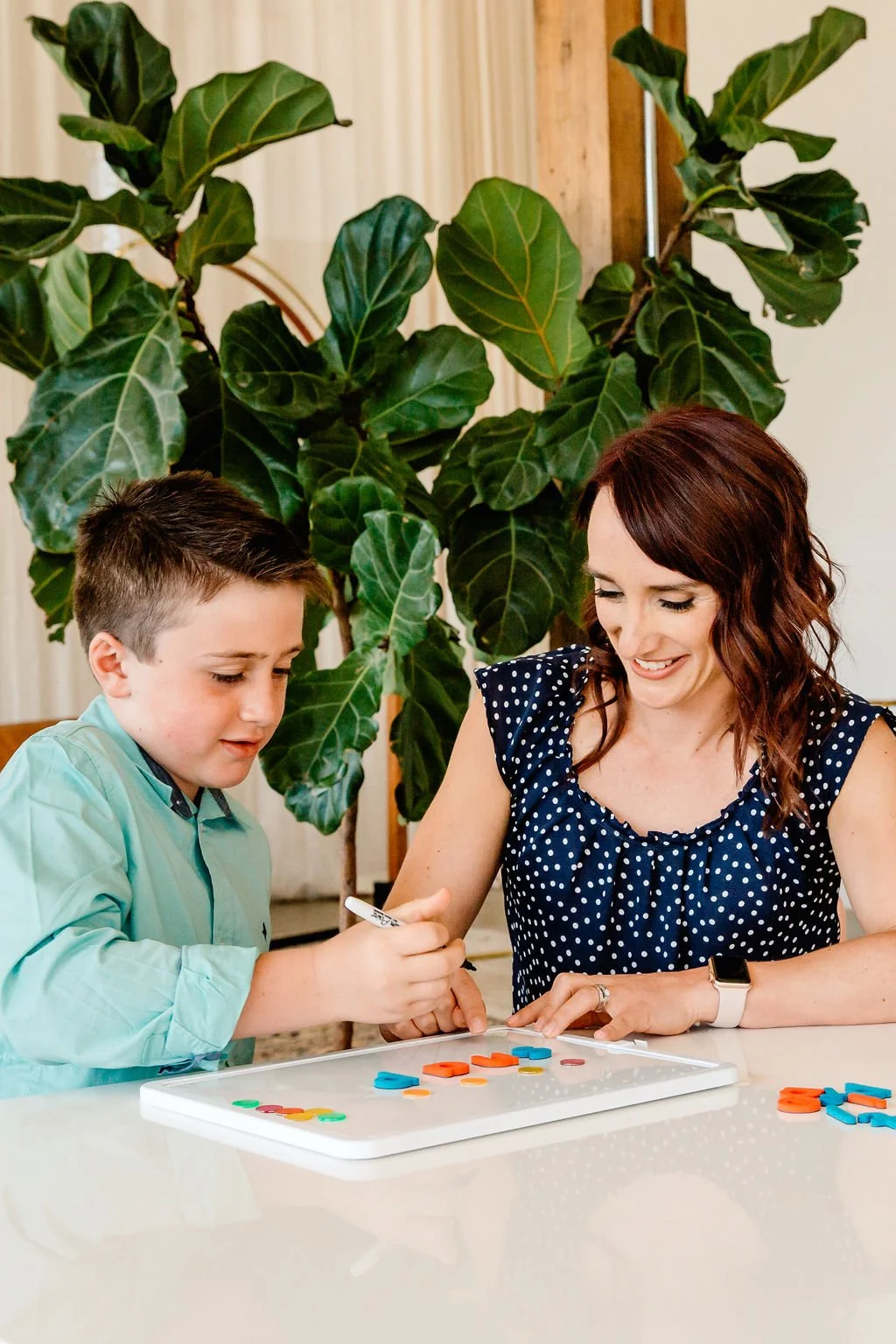
→ See the routine modeled with a real student so you know exactly what it looks like in practice
→ Walk away with the full Phonological Awareness Toolkit, including the 10-Part PA Drill, ready to use the next day
If we haven’t met...

I’m Corey, and I’ve spent over 20 years working directly with students (including those with significant reading difficulties) in both clinical and classroom settings. My background is grounded in cognitive development and learning research, and I’ve spent my career translating evidence-based practices into clear, usable instruction for educators.
This training isn’t theory alone. It’s built from what has been used, tested, and refined with real students. And this approach has been shared with over 100,000 educators worldwide who are working to make literacy instruction easier, more connected, and more effective for their students.
You’re in the right place if:
→ You want a phonological awareness routine that students can actually apply when they read and spell
→ You're looking for research-aligned instruction that finally shows you how it fits into your day
→ You want tangible tools you can share when parents, colleagues, or administrators ask how you're building these foundational skills
Frequently Asked Questions
-
No. This training is designed to meet you where you are. Whether you’re just beginning to learn about the science of reading or you’ve been at this for a while, this training gives you a clear framework for teaching phonological awareness in a structured way.
-
Yes, and that's a big part of what this training covers. Phonological awareness keeps developing well beyond the early grades, especially as students encounter longer, multisyllabic, content-area words. The skills stay the same. The words get harder.
-
Yes. The routine is grounded in the science of reading and developed from direct clinical and classroom experience. It also directly addresses the recent research conversation about which phonological awareness skills to teach and why.
-
The routine is designed to work across grade levels and settings because it focuses on the process of building sound awareness and connecting it to print, not a specific curriculum or population. You target the skills based on what each student needs.
-
This isn't something extra. The core routine is a quick warm-up drill you build into the lesson you're already teaching. Once you have it down, it takes just a minute or two.
-
You’ll get instant access after purchase. Log in to your dashboard, and everything (the training and the downloadable guide) will be ready for you right away.
-
A professional development certificate is automatically emailed to you upon completion of a short quiz at the end of the training.
-
On-demand training courses are for individual use only. For school-wide access, please contact us for group pricing.
-
We’re confident you will love this training, but if you’re not fully satisfied, you can request a full refund for up to 7 days, no questions asked.
Phonological Awareness Isn't a Box to Check. It's the Bridge to Reading and Spelling.
When students can hear, blend, segment, and manipulate sounds, and they understand how those skills connect to print, sounding out unfamiliar words stops being a roadblock. This training gives you the routine to make that happen, no matter the grade level you teach.