Can Comprehension Be Taught Explicitly?
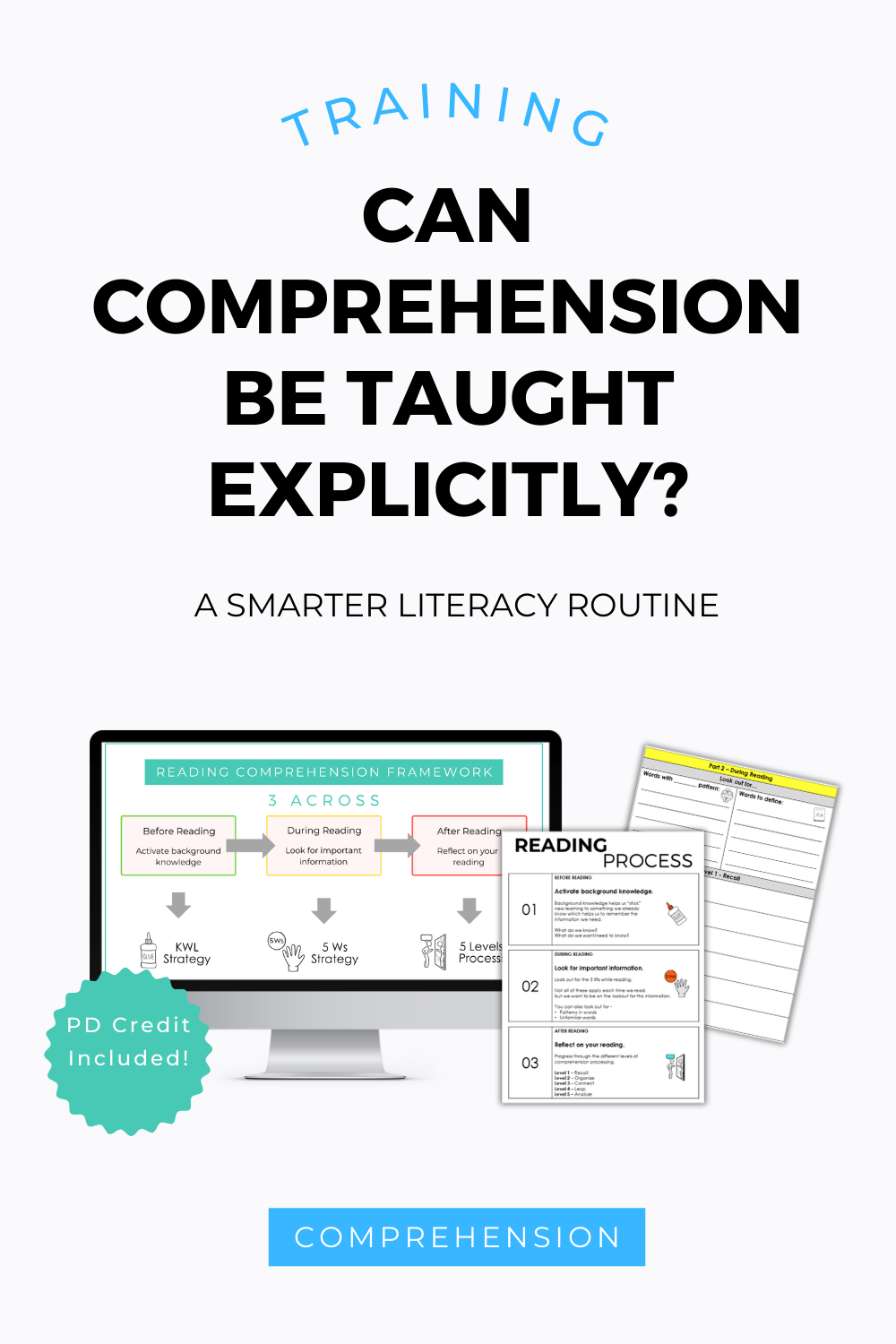
Yes, comprehension can be taught explicitly. And when you start doing this consistently, this is what happens:
Your students open a new text, and they know exactly what to do.
They’re not waiting for you to ask the first question. They’re not staring at the page, wondering where to start. They have a process. Before they read, they’re preparing. While they read, they’re monitoring their own understanding. After they read, they’re organizing their thinking and going deeper.
You’re not scrambling to figure out which strategy to teach next or which graphic organizer to pull. You have a clear structure in place. It’s the same routine every time.
And the best part? This structure works whether your students are reading picture books or preparing for an AP exam. It grows with them.
This becomes possible when comprehension isn’t taught as a list of isolated strategies, but as a connected, repeatable routine.
But here’s what often happens…
Students have had the lessons. They’ve practiced main idea. They’ve worked on cause and effect, making inferences, comparing and contrasting. You’ve modeled the strategies, given them graphic organizers, asked the questions.
And then they sit down with a new text... and don’t know what to do.
They might try to answer your questions, but they’re not actually thinking through the reading on their own.
They’re waiting for you to lead the process.
They’re waiting for someone to ask the right question so they can try to answer it.
The strategies are there. The skills have been taught. But students aren’t connecting them. They aren’t generalizing. And it can feel incredibly frustrating, because you’ve put in the time and the effort, and it’s just not transferring the way it should.
Does any of this sound familiar?
→ Your students can read the words, but when you ask what they just read, they can’t tell you.
→ You’ve taught the comprehension strategies, but your students aren’t applying them independently.
→ You’ve done the mini-lessons on main idea, cause and effect, author’s purpose, but it still feels disconnected.
→ You find yourself skipping over comprehension or defaulting to “Just tell me what happened in the story” because you don’t have a clear structure for going deeper.
Here’s the Thing…

While teaching all the individual strategies is great, students also need to understand how each comprehension strategy connects.
Think of it like long division. You can teach a student how to add, subtract, multiply, and divide. But if you never show them the order in which to use those operations, they can’t solve the problem. Even though they know all the individual skills.
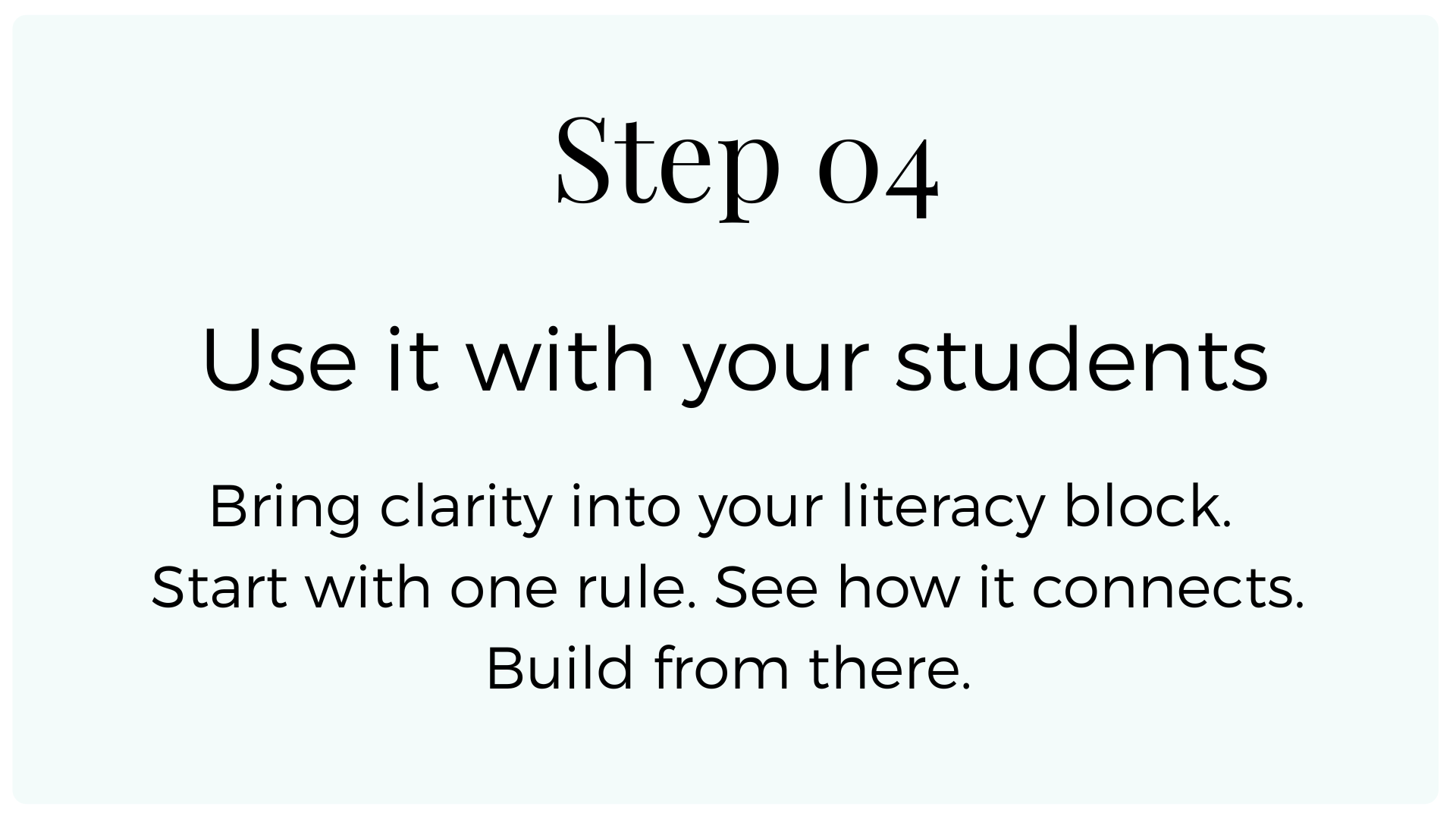
Students don’t need more strategies. They need a framework that brings all of those strategies together into one clear, repeatable process.
This training gives you that framework they can use with any text.
One process. Before reading, during reading, after reading.
It’s a framework they’ll carry with them from picture books to AP exams.
Watch anytime. Implement right away.
In This Training, You’ll Learn How To
➡️ Use a step-by-step comprehension routine that fits naturally into your existing literacy instruction
➡️ Teach students what to do before, during, and after reading so they stop relying on you to lead the process
➡️ Help students move beyond surface-level recall into deeper levels of comprehension
➡️ Identify exactly where students are breaking down in their comprehension
What’s Included:
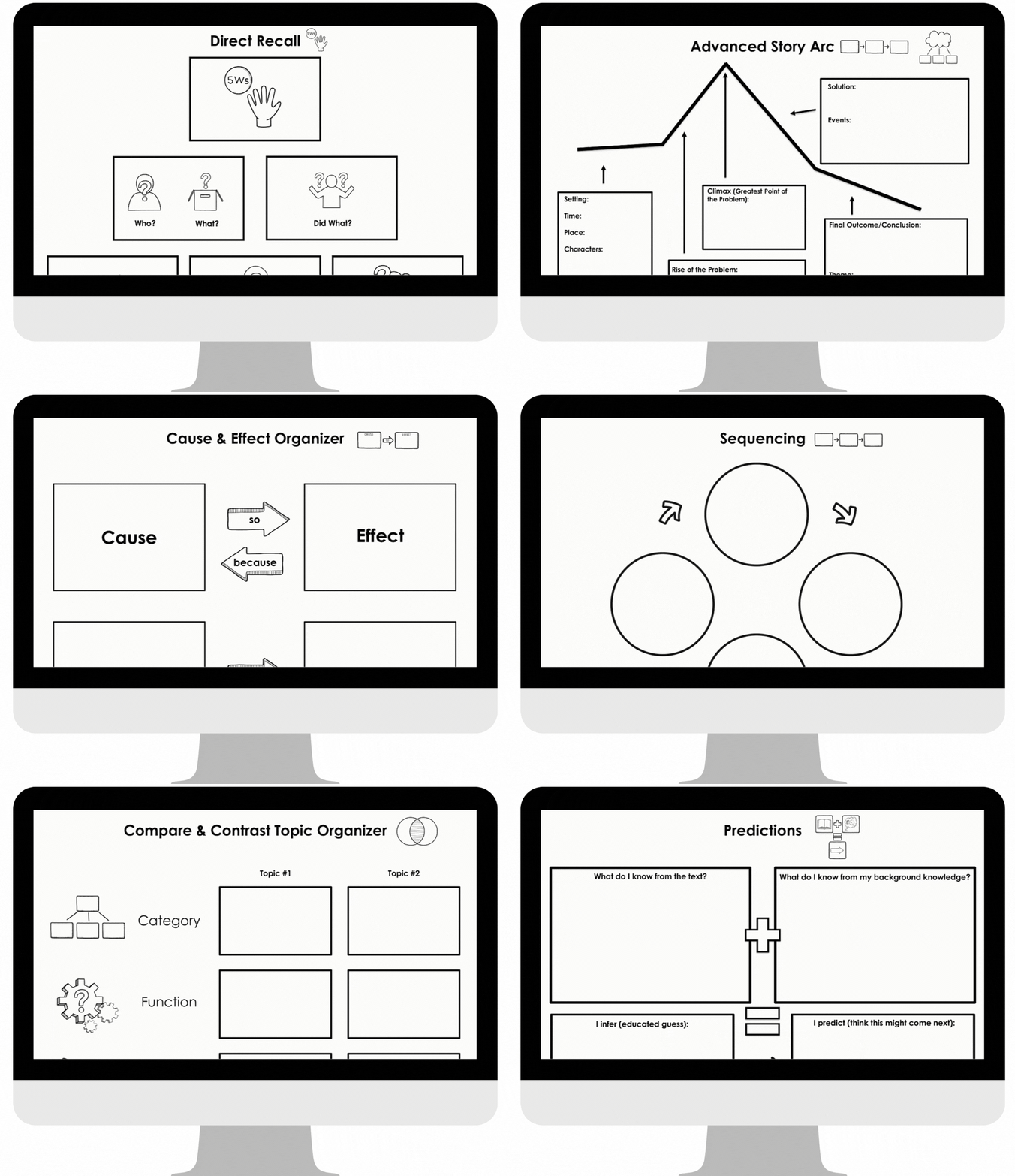
👆 You’ll get access to our graphic organizers AND a way to actually connect them to the thinking process!
1-Hour On-Demand Video Training
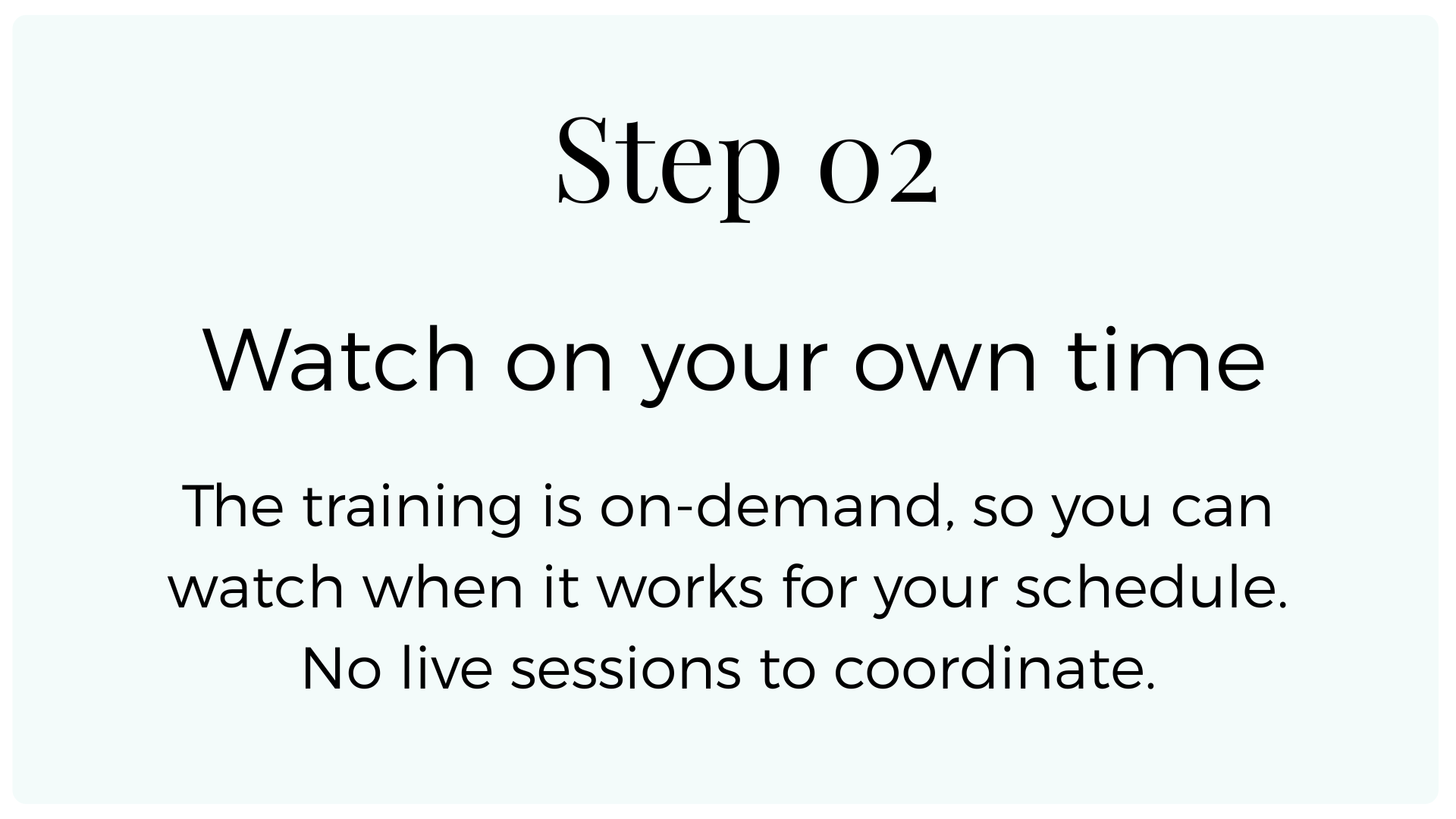
Watch on your own time, at your own pace. Come back to it whenever you need a refresher. This training walks you through the full comprehension routine with clear explanation and real examples so you can see exactly how it works.
Printable Comprehension Graphic Organizers (K–12)
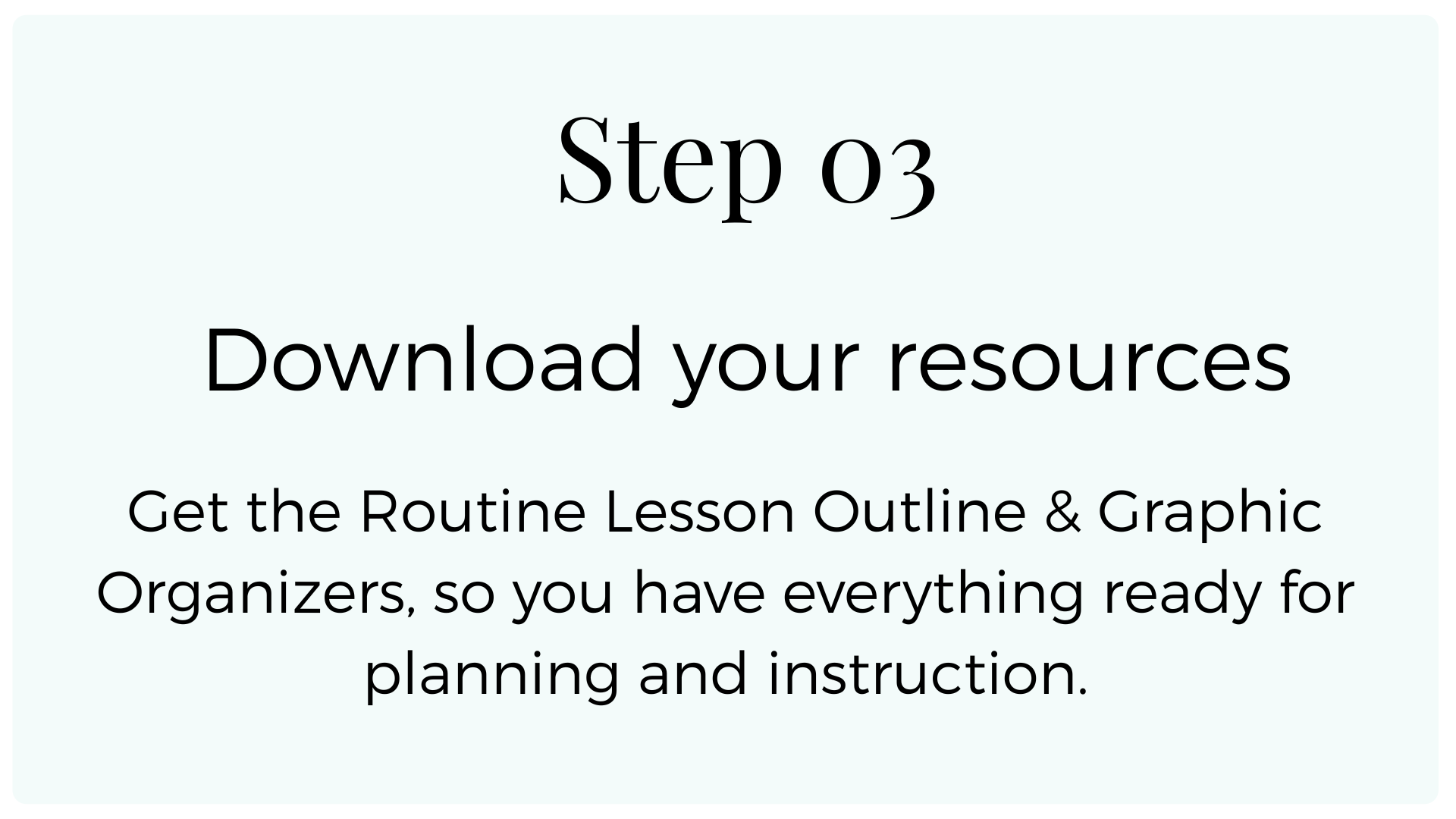
A full set of done-for-you graphic organizers designed to support the routine across every grade level. Whether you’re working with kindergarteners or high school students, you’ll have a tool that matches exactly what your students need.
1-Hour PD Certificate
Complete a short quiz after the training and receive your professional development certificate automatically by email.
Lifetime Access
This training is yours to keep. Come back anytime, whether that’s next week, next semester, or three years from now.
Everything you need to start implementing immediately.
How it Works
This training is designed for educators who:
→ Have students who can decode the words but aren’t really understanding what they read
→ Work with students who are still building decoding skills but also need comprehension support alongside that work
→ Notice students skimming through text without making meaning or connecting ideas
→ Are teaching comprehension strategies, but not seeing those strategies transfer to independent reading
→ Want a structure for comprehension instruction that doesn’t require overhauling what they’re already doing
→ Want to support listening comprehension—for students who struggle to understand and retain information they hear, not just what they read
This training works across grade levels (K–12) and settings (general education classrooms, intervention, small groups, and one-on-one instruction).
If you work with students who need support with comprehension, this training is for you.
Take One Hour. Leave With a Routine You’ll Use Forever.
What to Expect
After this training, you will:
→ Have a repeatable comprehension routine you can use with any text, at any grade level
→ Understand how to structure comprehension instruction around before, during, and after reading
→ Be able to pinpoint exactly where your students’ comprehension is breaking down and respond to it
→ See the comprehension routine modeled with a real example so you know exactly what it looks like in practice
→ Walk away with done-for-you graphic organizers spanning K–12 that you can use immediately
If we haven’t met...

I’m Corey, and I’ve spent over 20 years working directly with students (including those with significant reading difficulties) in both clinical and classroom settings. My background is grounded in cognitive development and learning research, and I’ve spent my career translating evidence-based practices into clear, usable instruction for educators.
This training isn’t theory alone. It’s built from what has been used, tested, and refined with real students. And our approach has been shared with over 100,000 educators worldwide who are working to make literacy instruction more connected and more effective for their students.
You’re in the right place if:
→ You are looking for a simple strategy that students can actually use independently to improve their comprehension.
→ You’re hoping to incorporate research-aligned instruction that actually feels doable in your setting.
→ You want tangible strategies and tools that you can share when parents, colleagues, or administrators ask how you’re incorporating evidence-based principles into your instruction.
Frequently Asked Questions
-
Yes. These routines are grounded in the science of reading and developed from direct clinical and classroom experience working with real students.
-
This routine is designed to work across grade levels (K–12) and settings because it focuses on the process of comprehension, not a specific curriculum or population. It grows with students from picture books to AP-level texts.
-
This training works alongside whatever curriculum or program you’re already using. Think of it as a container for the comprehension instruction you’re already doing. It doesn’t replace anything, it gives your students a process for connecting all of the strategies they’re learning.
-
This isn’t something extra. It’s a routine that organizes what you’re already teaching so that students can actually retain and apply it. It should help things move more quickly and cohesively once you get into the groove.
-
Worksheets and resources give students practice with individual strategies. This training gives them a process for knowing when and how to use those strategies together. The routine is the missing piece that makes your existing resources more effective.
-
We get it! The training is one hour, on-demand, and self-paced. You can watch it on your own time and start using the routine with your students the next day. This doesn’t take a lot of effort to start incorporating, you can begin implementing immediately.
-
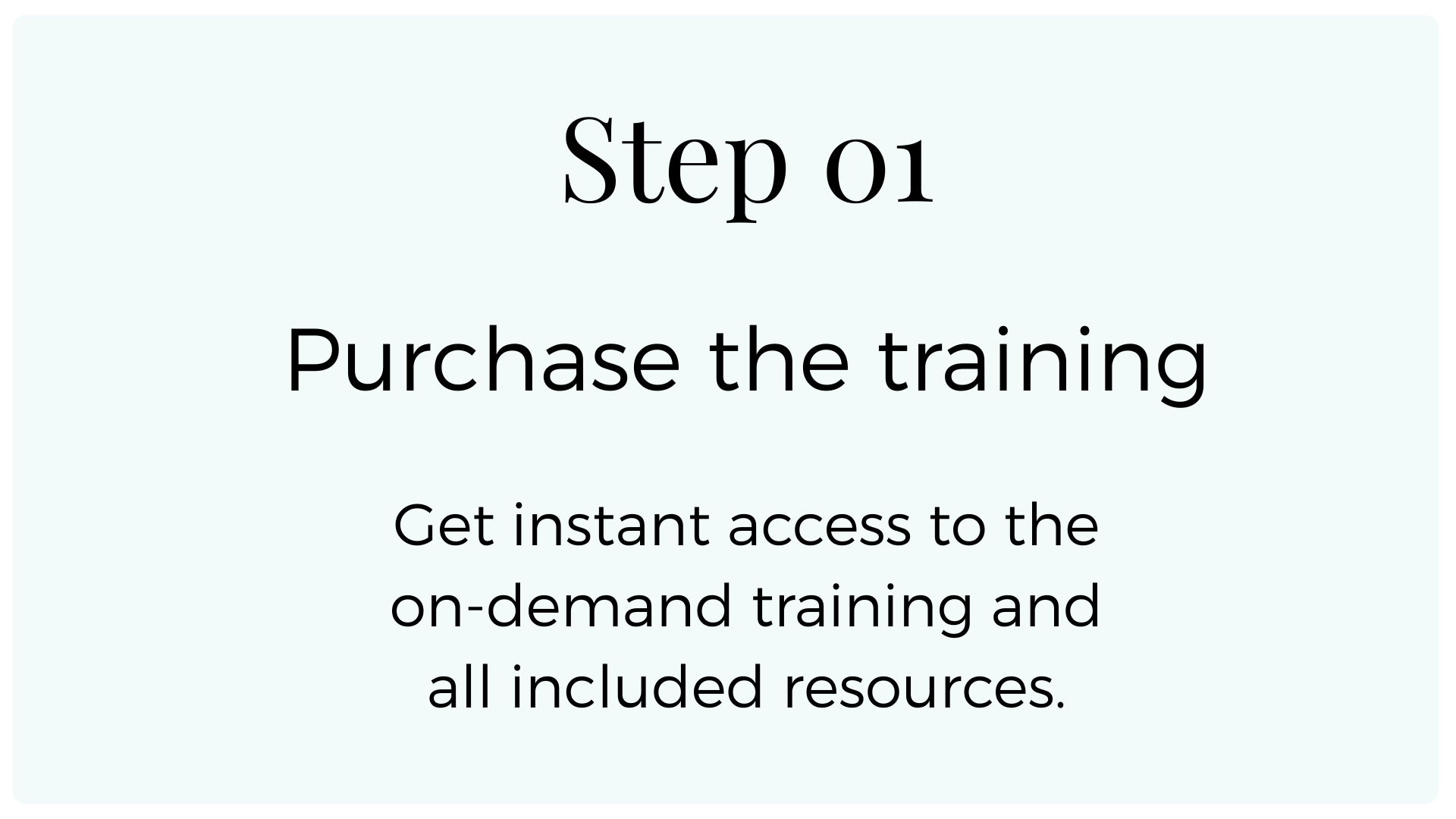
You’ll get instant access after purchase — watch anytime from your dashboard.
-
After your one-time purchase, you’ll have access to the training forever (watch anytime).
-
A professional development certificate is automatically emailed to you upon completion of a short quiz.
-
On-demand training courses are for individual use only. For school-wide access, please contact us for group pricing.
-
We’re confident you will love this training, but if you’re not fully satisfied, you can request a full refund for up to 7 days, no questions asked.