Insider Spotlight: She Didn’t Have it All Figured Out…
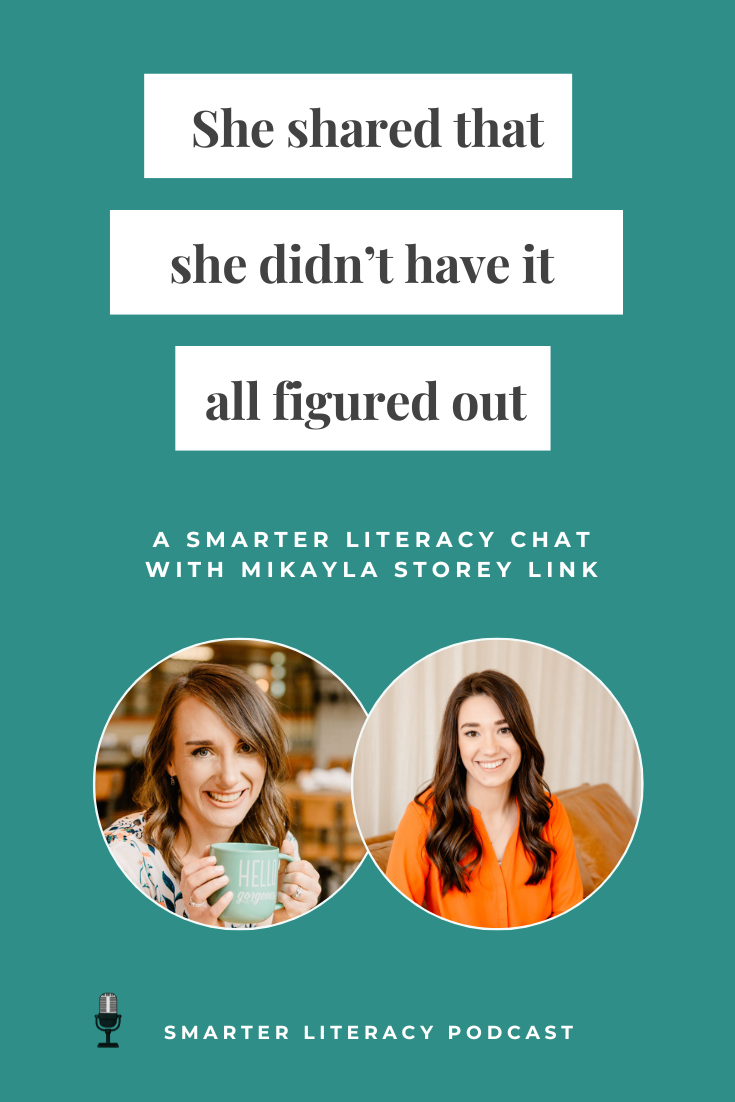
I had the chance to sit down with Mikayla Storey-Link, who many of you may remember from her years with us here on the Ascend SMARTER Intervention team, to hear where her literacy journey has taken her.
I expected us to talk about how her work has evolved over nearly a decade, how her students have changed, and what it has been like to open her own practice. We did talk about all of those things, but what really came up for me was this recurring theme:
You don’t have to have it all figured out to start.
We put a lot of pressure on ourselves to have everything figured out before we begin. We want to know exactly what to teach, exactly how to teach it, and exactly how to make it work for every student sitting in front of us. Mikayla's story is such a good reminder that none of us actually start there.
Learning alongside her students
When Mikayla first joined Ascend, she had just finished school with a background in psychology and special education. She had experience working with children, but her formal preparation in dyslexia and dysgraphia had been incredibly limited. In fact, she shared that those topics had been covered for just one day in one of her classes.
So when she began teaching literacy intervention, she was learning many of the concepts right alongside her students.
She shared a story about sitting with a student who asked what “oo” was going to sound like before they had reached that pattern in the lesson sequence. Mikayla realized in the moment that she didn't actually know how to explain it yet, so she told him she would get back to him.
For a while, that was what learning to teach literacy looked like. She stayed ahead of the lessons, learning spelling patterns, syllable types, and instructional routines so she could turn around and teach them well to her students.
Over time, of course, that knowledge grew. One lesson ahead became years of experience, but I love that beginning because I think we sometimes convince ourselves that we need to fully understand every piece of something before we're qualified to start using it.
In reality, so much of teaching is learned through the act of teaching itself. Students ask questions we would never think to ask. They respond to instruction in ways we don't expect. They force us to notice gaps in our own understanding and then go learn more.
That isn't a sign that we're doing something wrong. It's often exactly how expertise develops.
What individualizing instruction actually means
Mikayla also talked about two of her earliest students. They were both around eleven years old and needed much of the same underlying literacy instruction, but they were completely different kids.
The skills she was teaching might have been the same, but the way she needed to show up with each student was very different. One responded to a particular kind of energy, explanation, or feedback, while the other needed something else entirely.
That experience helped shape the way she thinks about individualization now, but early in her career, she took the idea of individualized instruction much more literally.
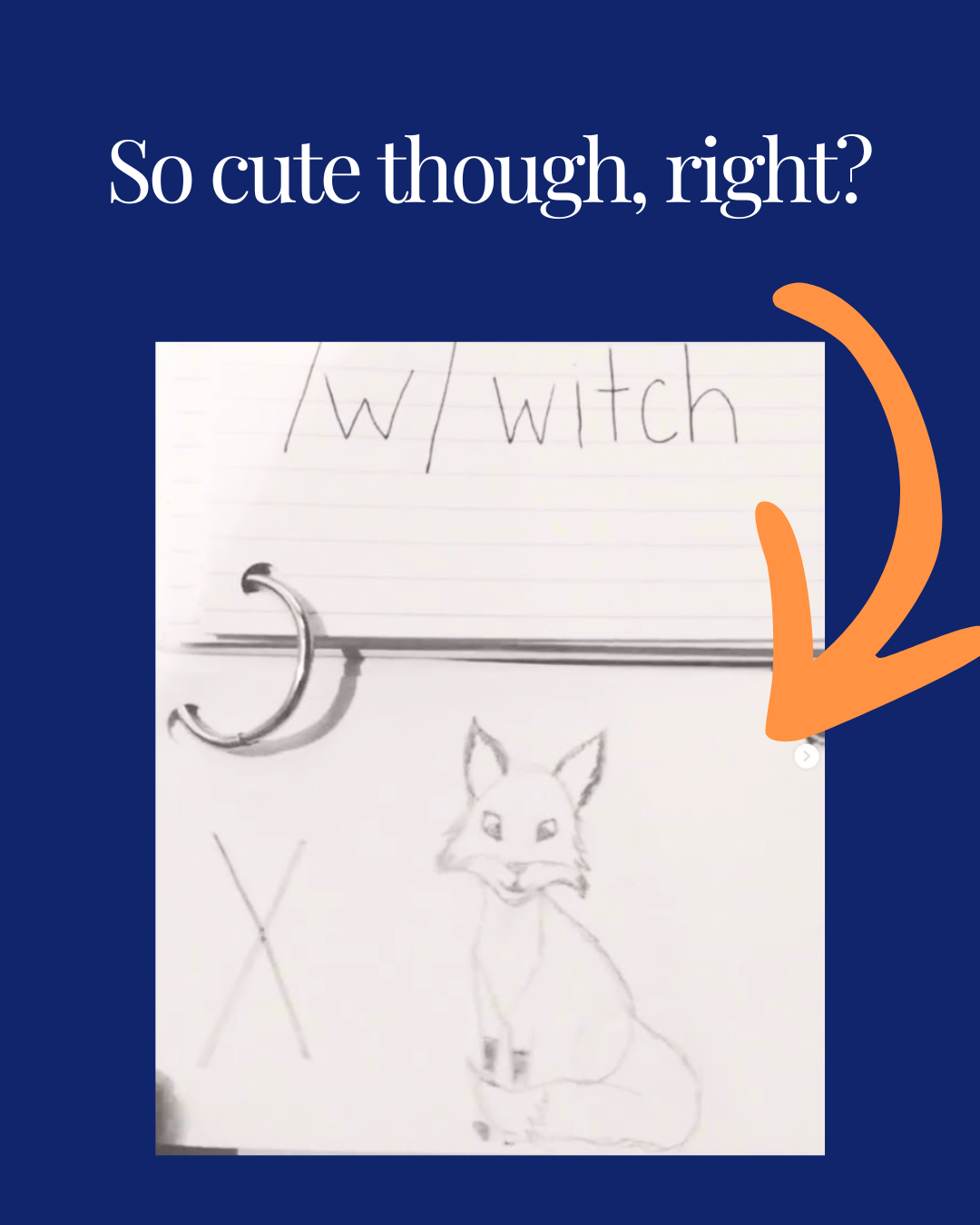
She decided she was going to make everything specifically for each student. At one point, she spent hours hand-drawing entire sound decks using pictures she thought particular students would like.
Then a couple weeks later, they had all lost their sound decks under the car seat or at home and she never saw them again.
I think a lot of us can relate to that experience. The instinct behind it is good. We care deeply about the students in front of us, and we want instruction to feel responsive to who they are and what they need. The problem is that we can sometimes spend enormous amounts of time individualizing the parts of instruction that don't actually need to be individualized.
What Mikayla eventually realized was that she didn't need to create a completely different lesson for every student in order to respond to them as individuals.
She could use the same structured literacy framework while adapting the things that actually mattered. For one student, an activity might need to become a little more game-like to support attention. Another student might need significantly more background knowledge before beginning a comprehension lesson. The examples, pacing, level of support, error correction, and interaction can all change without rebuilding the instructional framework from scratch.
That distinction is incredibly important because individualized instruction and individualized lesson creation are not the same thing.
Using structure to make better decisions
Today, Mikayla still uses structured lessons with her students, but the structure doesn't prevent her from individualizing instruction. If anything, it gives her more capacity to do it well.
Instead of spending her planning time wondering what she should teach or inventing a new activity for every student, she can focus on the decisions that actually require her expertise.
What does this student most need right now? Where is their instructional time going to make the biggest difference? What support will help them access this particular skill?
That becomes especially important with her secondary students.
With younger students, we often have more time to move systematically through a broad scope and sequence while integrating word recognition, vocabulary, comprehension, fluency, and writing. By middle and high school, the equation starts to change. There may still be significant skill gaps, but there is also less time available to address them, which means we have to be even more thoughtful about where we focus.
Mikayla described several students whose needs look very different from one another. One student's goal is primarily functional literacy, including being able to read enough to navigate everyday life and text her friends. Another student is preparing for college and needs much deeper work with text analysis, comprehension, and written response. Another needs significant support in both decoding and vocabulary.
Those students do not necessarily need the same intervention simply because they are similar in age or because they all struggle with literacy.
Instead, Mikayla considers assessment information, student and family goals, and the amount of instructional time available, then uses that information to decide which skills deserve the greatest attention.
That is where a strong framework becomes so valuable. It gives us a reliable starting point without removing the professional judgment required to decide where an individual student needs to go next.
Structure can help students, too
One of the other things that came through in our conversation was that predictable instructional routines are not only helpful for us as educators. They can also be incredibly supportive for students.
Mikayla described students who benefit from knowing exactly what a word recognition lesson will look like each time they arrive. They know they will begin with a phonemic awareness drill, move into the sound drill, review previous skills, and then learn something new.
For some of her students with executive functioning needs, that predictability has reduced behaviors because they don't have to spend additional energy wondering what will happen next. They know the routine, they understand the expectations, and they can move through the lesson with more confidence.
For older students, the same kind of structure can eventually become something they use independently.
Rather than needing Mikayla beside them every time they encounter a difficult text, they can learn a repeatable process for activating background knowledge, taking notes as they read, organizing their thinking, and developing a response.
At that point, the structure stops being something the teacher is doing for the student and becomes something the student can carry with them.
That is ultimately one of the goals of intervention. We want to give students tools and routines they can eventually use without us.
Making room for the parts only you can do
Earlier this year, Mikayla opened her own practice, COVA Learning Center, after having her son. Right now, she is home with him during the day and sees students in the evenings after her husband gets home from work, which she described as the best of both worlds.
As we talked about that transition, I couldn't help noticing how connected it was to everything else we had discussed.
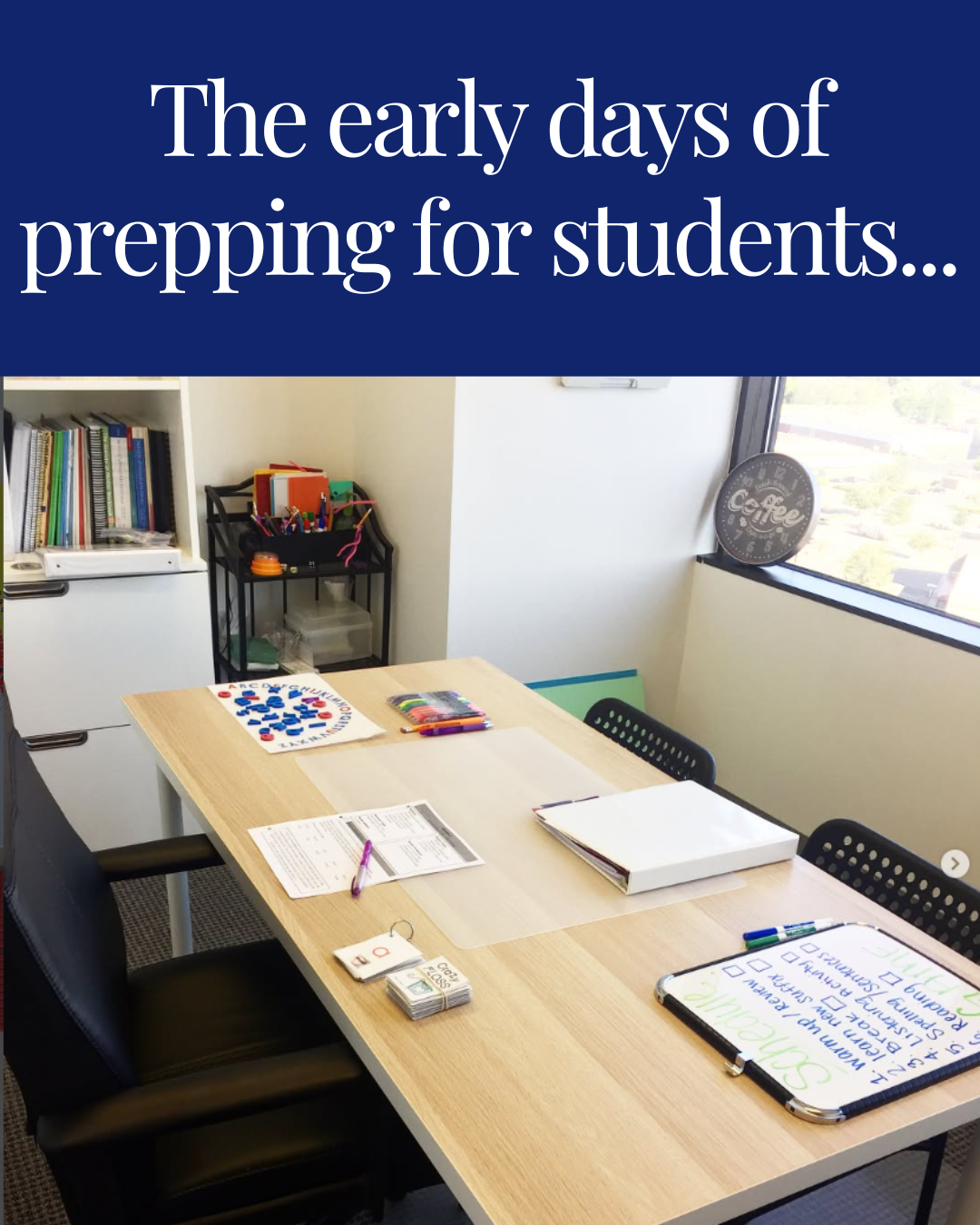
Her limited working hours are not spent recreating lessons that already exist or drawing brand-new materials for every student. Because the instructional framework is already there, she can spend more of her time on the work that only she can do.
She can take a few minutes at the beginning of a session to ask a student about their week. She can check in with a parent about what is happening at school. She can look carefully at a student's data and decide where their instructional time will have the greatest impact. She can adjust the way she explains something based on the student sitting in front of her.
Those are the places where her expertise and relationship with the student matter most, and they are also the pieces we cannot build into a curriculum ahead of time.
You don't have to have it all figured out
At the end of our conversation, I asked Mikayla what advice she would give someone working in literacy now. Her answer brought us right back to where she began almost a decade ago: just get started.
You may not know the answer to every question your students ask. Your first lesson may not go exactly the way you imagined. You may spend hours creating something and eventually discover that it wasn't nearly as important as you thought it would be.
That is part of learning to do this work well.
Effective teaching does not require us to have every answer or build every resource ourselves. It requires enough structure to know where we're going, enough knowledge to make good instructional decisions, and enough flexibility to respond to the student in front of us.
Maybe that's an especially useful reminder right now, when so many of us are feeling the pressure to have every material printed, every group organized, every lesson planned, and every possible scenario figured out before we begin.
You don't need to figure out everything at once.
You need a strong place to start, and then you can keep learning from there.
Click here to listen to the full conversation with Mikayla.
You can also learn more about Mikayla and COVA Learning Center at https://www.covalearningcenter.com/