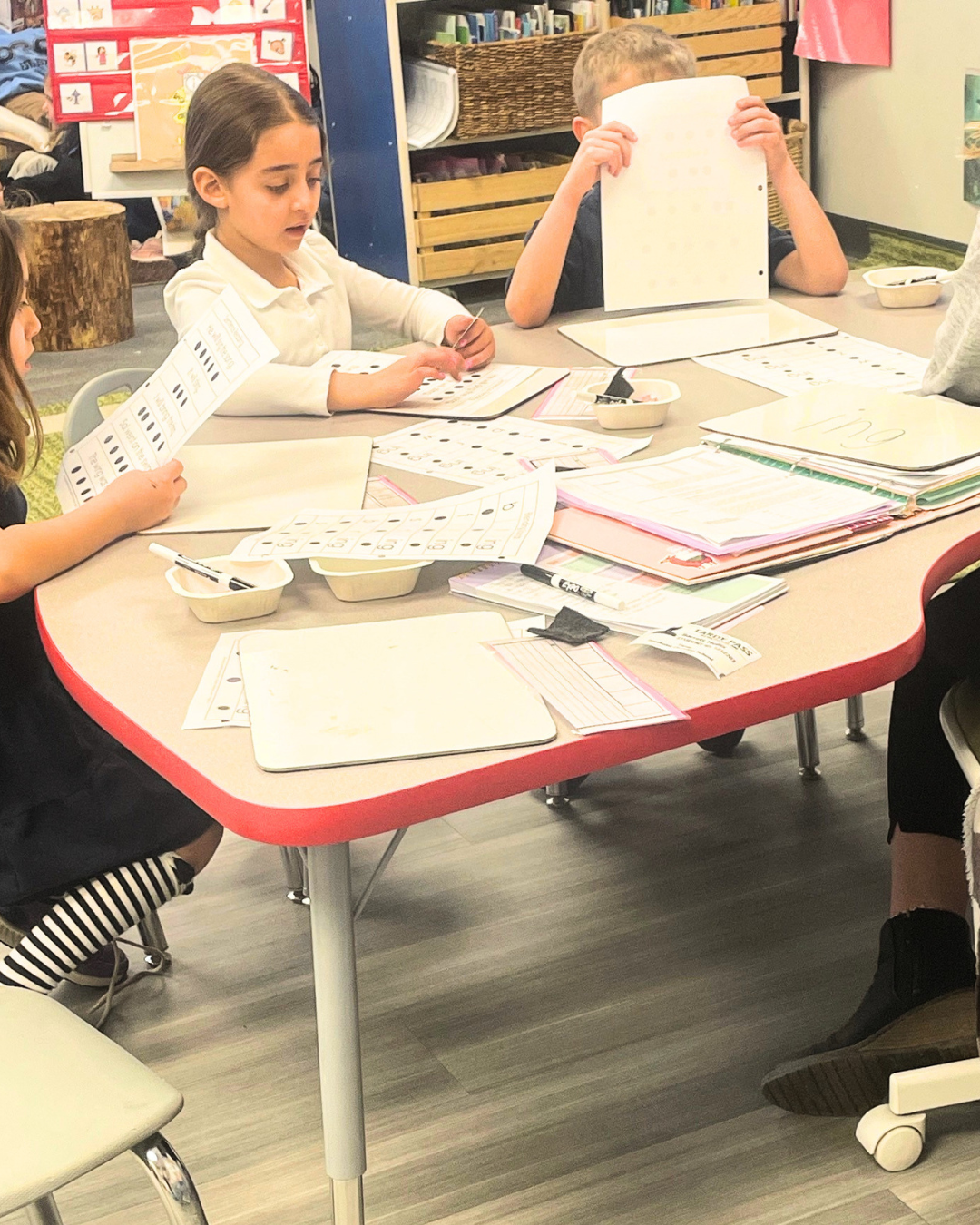
If literacy instruction feels harder than it should, you’re not alone.
You’ve been teaching the right skills all along. This training will help you connect them so you can stop feeling like you’re missing something.
You know the research. You're teaching the skills.
So why does something still feel off?
You've invested real time and energy into your literacy instruction. You understand the importance of phonological awareness, phonics, vocabulary, fluency, and comprehension. You've attended the trainings, read the research, tried to align your practice with what the science says.
And you're still not sure it's adding up the way it should.
Your students can demonstrate skills during a lesson, and then struggle to use them when it counts.
You teach vocabulary on Monday and by Thursday it's gone.
You work on comprehension strategies one week and decoding the next,
and somewhere in the transition, the connection gets lost.
It feels like something is missing that you can't quite name.
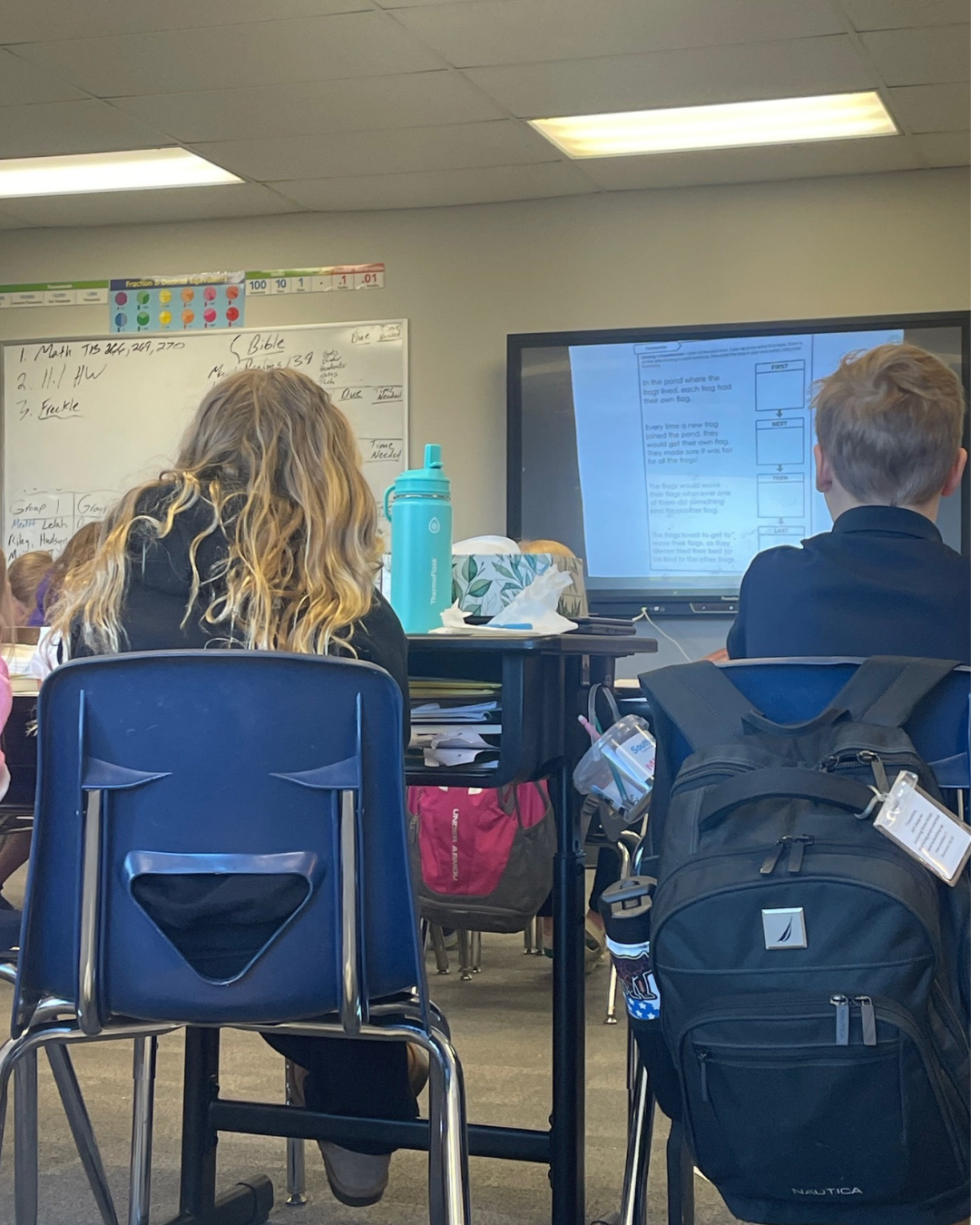
Sound familiar?
→ You spend way too much time planning, pulling together activities for each skill without a clear through line connecting them.
→ Your students can do the individual skills, but when the text changes or the support is removed, the skills don't transfer.
→ You've tried new strategies and programs that made sense theoretically but didn't change what was actually happening for your students in the classroom.
→ Your literacy block works, but it doesn't flow. Skills feel like separate events rather than parts of one connected process.
→ You’re wondering if there's something you're missing
The problem almost never comes down to missing skills.
Impact-driven educators working in literacy today are teaching the right things.
The research is clear. The skills are understood. The gap isn't knowledge, it's connection.
When skills are practiced in isolation (assessed individually, taught one at a time, each living in its own separate part of the lesson), students learn the pieces but never develop a consistent process for seeing how they fit together.
What students actually need is a repeatable structure that gives them the same process every time they read or write, something they practice so consistently that the connection between skills becomes automatic. Not something they have to think about. Something they just do.
That's what a literacy routine builds. And that's what this training is designed to help you put in place.
→ Use the SMARTER Literacy Routines as one integrated approach that gives students a consistent process for reading and writing.
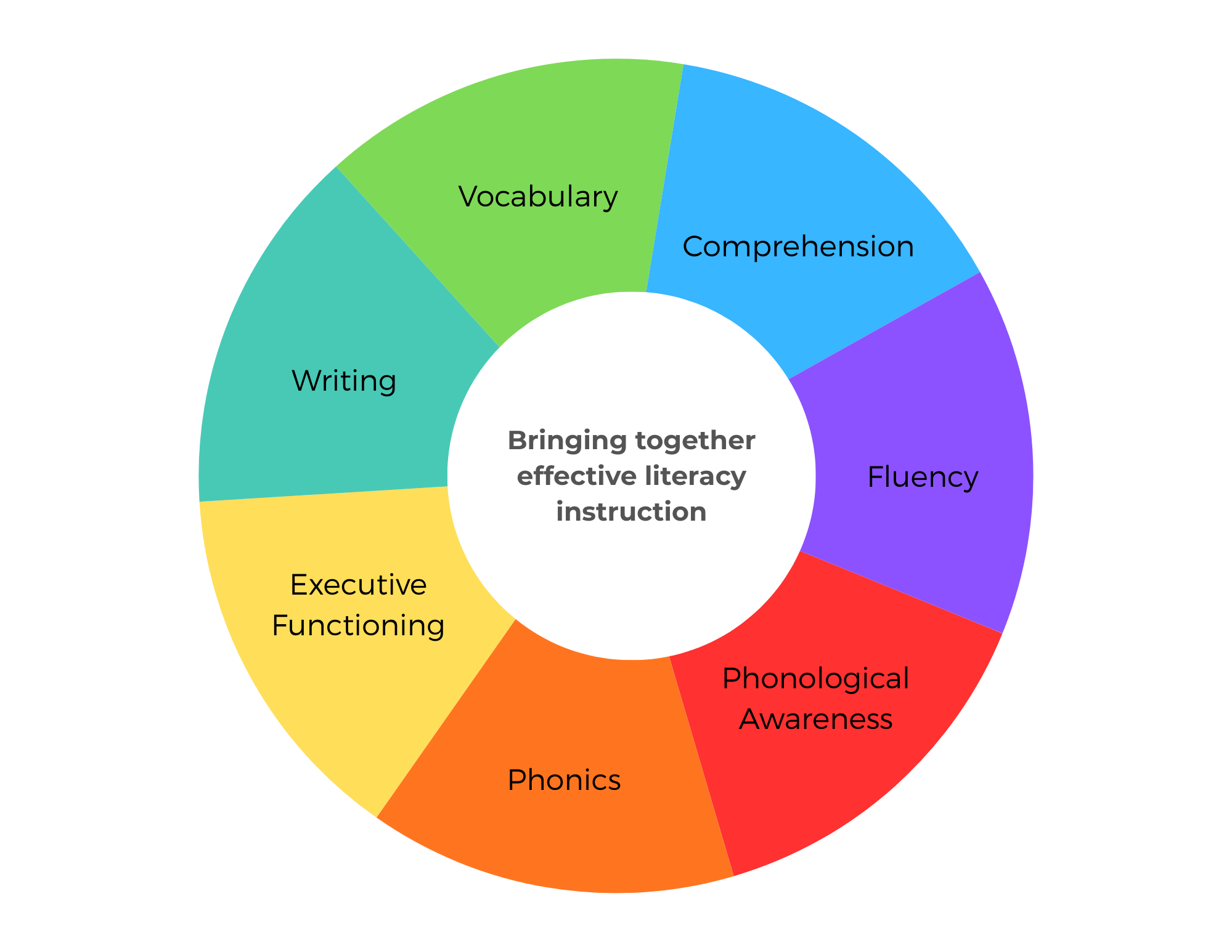
→ Bring phonological awareness, phonics, vocabulary, fluency, comprehension, writing, and executive functioning together inside your existing instruction without rebuilding your entire literacy block.
→ Use the same routines across different texts, topics, and settings so the connection between skills builds over time rather than resetting with every new lesson.
In this training, you'll learn how to:
Everything you need to start using the routines with your students today.
➡️ 7 Short Video Trainings (about 10 min each) walking through each routine, how it works, why it matters, and how to fit it into what you're already doing. Watch one during a planning period or all of them in a single sitting.
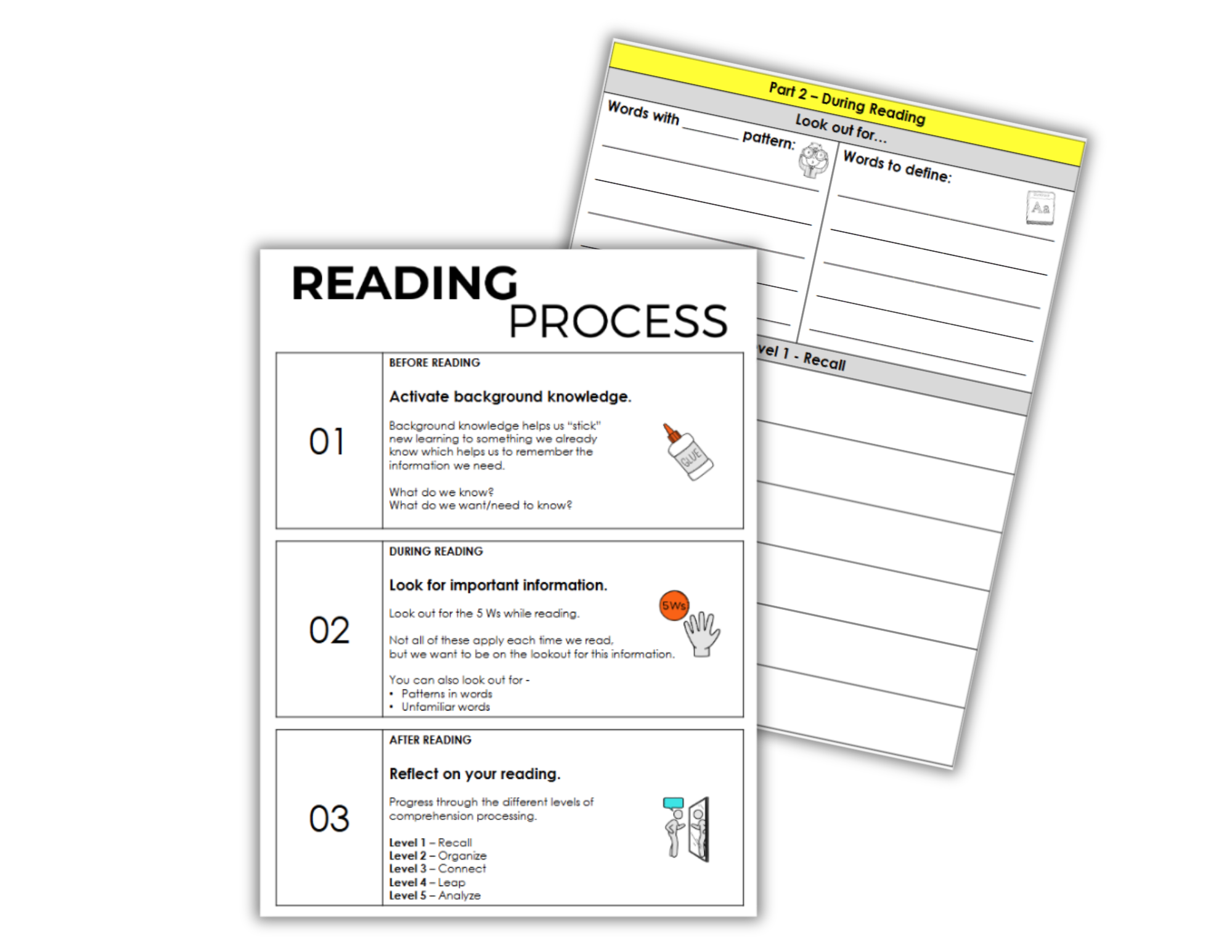
➡️ Printable anchor charts for every routine so students can see the process, follow it consistently, and internalize it over time. Put them on your board and reference them every lesson.
➡️ Student handouts and classroom examples showing what each routine looks like in practice. Print and use the same day, no building from scratch.
➡️ Step-by-step implementation guidance so you know exactly how to introduce and model each routine with your students, whether you're brand new to this approach or already familiar with the framework.
➡️ 2 PD credit hours upon completion, documented professional development you can use immediately.

How it Works
Step 01
Access the training immediately after purchase.
Get instant access to the on-demand training and all included resources. Take it on your time with your schedule.
Step 02
Start with the routine that fits your next lesson.
You don't need to watch every video before you begin. Choose the routine that makes the most sense for where your students are right now and start there.
Step 03
Use the printable tools to introduce each routine.
The anchor charts help the process stick. Model the routine, practice it consistently, and watch what happens when students start to internalize the process.
“All I can say is wow. You have provided so much guidance and value that I am in awe." - Rina S.

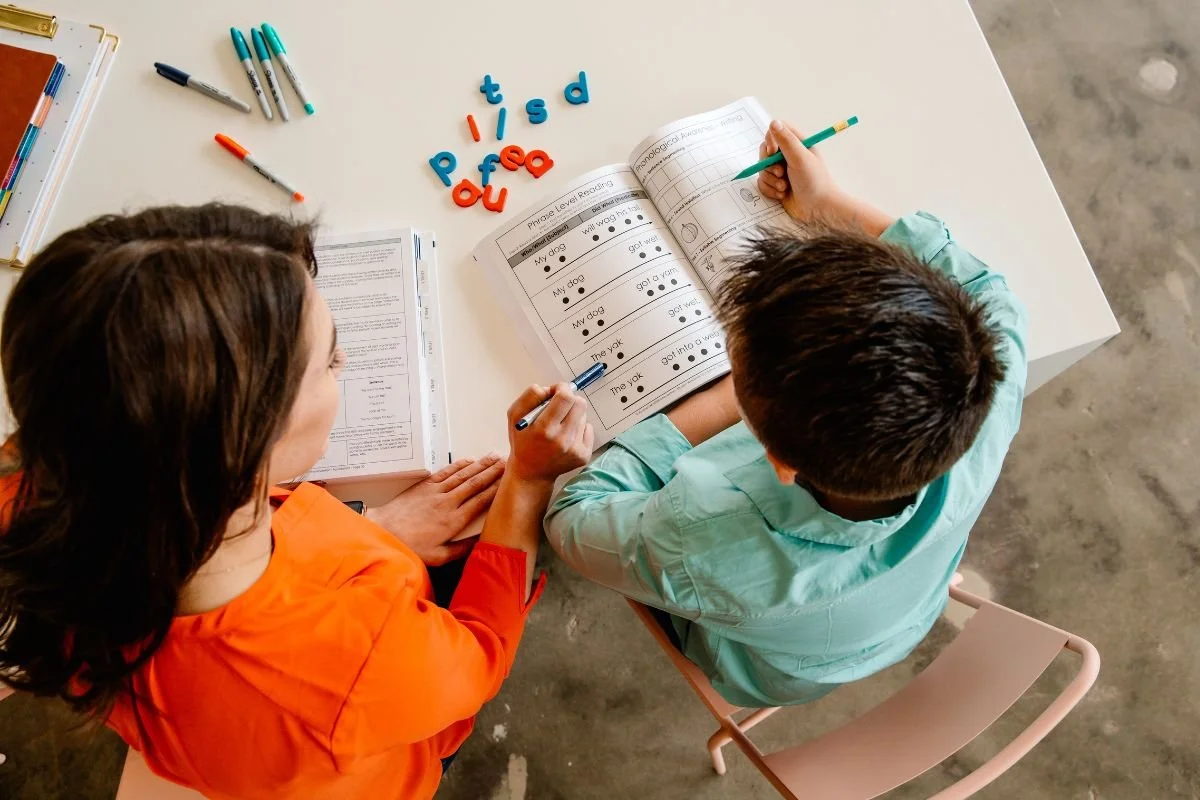
This training is designed for educators who…
are already doing meaningful literacy work and want to make sure the skills they're teaching are actually connecting for their students.
It's a fit if you are:
→ A classroom teacher who wants a more cohesive structure for your literacy block without overhauling everything.
→ A literacy interventionist looking for a consistent framework that connects skills across every session rather than treating each one as a separate event.
→ A special education teacher working to help students see how the skills they're developing in intervention translate to real reading and writing tasks.
→ An instructional coach or specialist who wants a practical, research-aligned resource to support the educators you work with.
This training works alongside any curriculum or literacy program you're already using. You don't need to replace anything. You just need to see how the pieces connect.
Start with routines. Build from there.
You don’t need to overhaul your literacy block. You just need an easier way to help the skills you’re already teaching work together. This training gives you the routines, the tools, and the structure to make that happen. This is not another theory-filled PD. It's a practical, implementation-focused training built for real educators and real students.

If we haven’t met…
I’m Corey, and I’ve spent over 20 years working directly with students (including those with significant reading difficulties) in both clinical and classroom settings. My background is grounded in cognitive development and learning research, and I’ve spent my career translating evidence-based practices into clear, usable instruction for educators.
When I started in literacy intervention, I had a phonological awareness program. A phonics curriculum. Comprehension passages with questions at the end. I was hitting every skill. And I still watched a group of students I'd worked with for years regress when the support was removed — because I had taught them the skills without ever showing them how the skills connected.
As I analyzed the data, I saw what happened when the pieces stayed separate and realized the missing ingredient wasn't more instruction.
It was connection.
That's what this training is designed to help you build.
On-demand · Watch anytime · 2 PD credit hours included
Questions? No need to raise your hand.
-
Yes. The SMARTER Literacy Routines are grounded in research on how students develop literacy skills and what supports retention, transfer, and generalization. The framework reflects current understanding from cognitive neuroscience and reading science about how skills connect and become automatic.
-
Yes. The routines are designed to layer into whatever curriculum or instructional approach you're already using. They don't replace your program; they provide a consistent structure that connects the skills your program is teaching.
-
The seven video trainings are 5–10 minutes each, so the full training takes a little over an hour to complete. It's entirely self-paced. You can watch one routine at a time over several days or complete everything in a single sitting.
-
This training is specifically designed to make planning easier. Once the routines are in place, you stop reinventing your lesson structure every week. The routine stays the same, you just change what you put inside it. Most educators who implement the routines consistently report that planning feels significantly more manageable over time.
-
The routines aren't a new strategy or a new curriculum. They're a structure for connecting the skills you're already teaching. If previous programs felt like adding just one more thing, the routines work differently. They organize what's already there rather than adding something new on top of it.
-
Yes. The routines work across general education, intervention, and intensive support settings. The structure adapts to the level of support students need while the routines themselves stay consistent, which is exactly what helps students transfer skills across different settings.
-
If the training isn't what you needed, reach out within 7 days, and we'll give you your money back, no questions asked.