Are your students making the progress you're hoping for?

You've been delivering instruction, working through lessons, and helping your students build their literacy skills.
But how do you know if it's actually working?
Maybe a student is making progress with decoding, but there's one particular phonics pattern that just isn't sticking.
Or maybe their oral reading fluency is improving, but they're still struggling to answer comprehension questions.
Those are the things we need to know!
Because effective literacy intervention isn't just about delivering great instruction. It's about recognizing what our students can do today that they couldn't do a few weeks ago, and knowing when we need to make adjustments.
And the good news? Progress monitoring doesn't have to be complicated!

Make Progress Monitoring Simple
In our 1-hour Progress Monitoring Made Simple Spotlight PD, we'll walk through a practical, four-step process to help you:
→ Identify student needs: Determine which literacy skills you should actually be monitoring.
→ Set meaningful goals: Create clear, measurable goals that align with the skills you're teaching.
→ Track student growth: Use simple, efficient tools to monitor progress during instruction.
→ Adjust instruction: Recognize when students are ready to move forward and when they need additional support.
And you don't have to create all those tracking tools yourself!
You'll also receive our comprehensive Progress Monitoring Toolkit, complete with ready-to-use assessment probes, goal banks, and data tracking tools for phonological awareness, phonics, fluency, vocabulary, comprehension, and writing.
Whether you're monitoring progress toward IEP goals, working with small intervention groups, or simply wanting to see how your students are responding to instruction, you'll have practical resources you can start using right away.
1-hour on-demand PD | PD certificate | Lifetime access
With the Progress Monitoring Toolkit
You will have everything you need to measure your students’ progress, no matter what skills they are working to improve.

☝️Check out the Progress Monitoring Toolkit
Monitoring phonics?
Use skill-specific word lists and quick accuracy checks to recognize which patterns students have mastered.
Monitoring comprehension?
Use adaptable questions with your existing reading passages to check direct recall, main idea, inferences, predictions, and more.
Trying to recognize growth over time?
Use tracking sheets and the digital data tool to record scores and look for patterns in student performance.
The best part?
You don't need to change what you're already teaching!
These tools are designed to work alongside your existing literacy curriculum and intervention lessons, so you can focus on the specific skills your students are working to develop.
And because the toolkit includes ready-to-use probes across so many literacy skills, you don't have to spend your time figuring out HOW to measure progress every time you're targeting something new.
Just find the skill you're working on, select the appropriate tool, and start tracking!
If we haven't met...
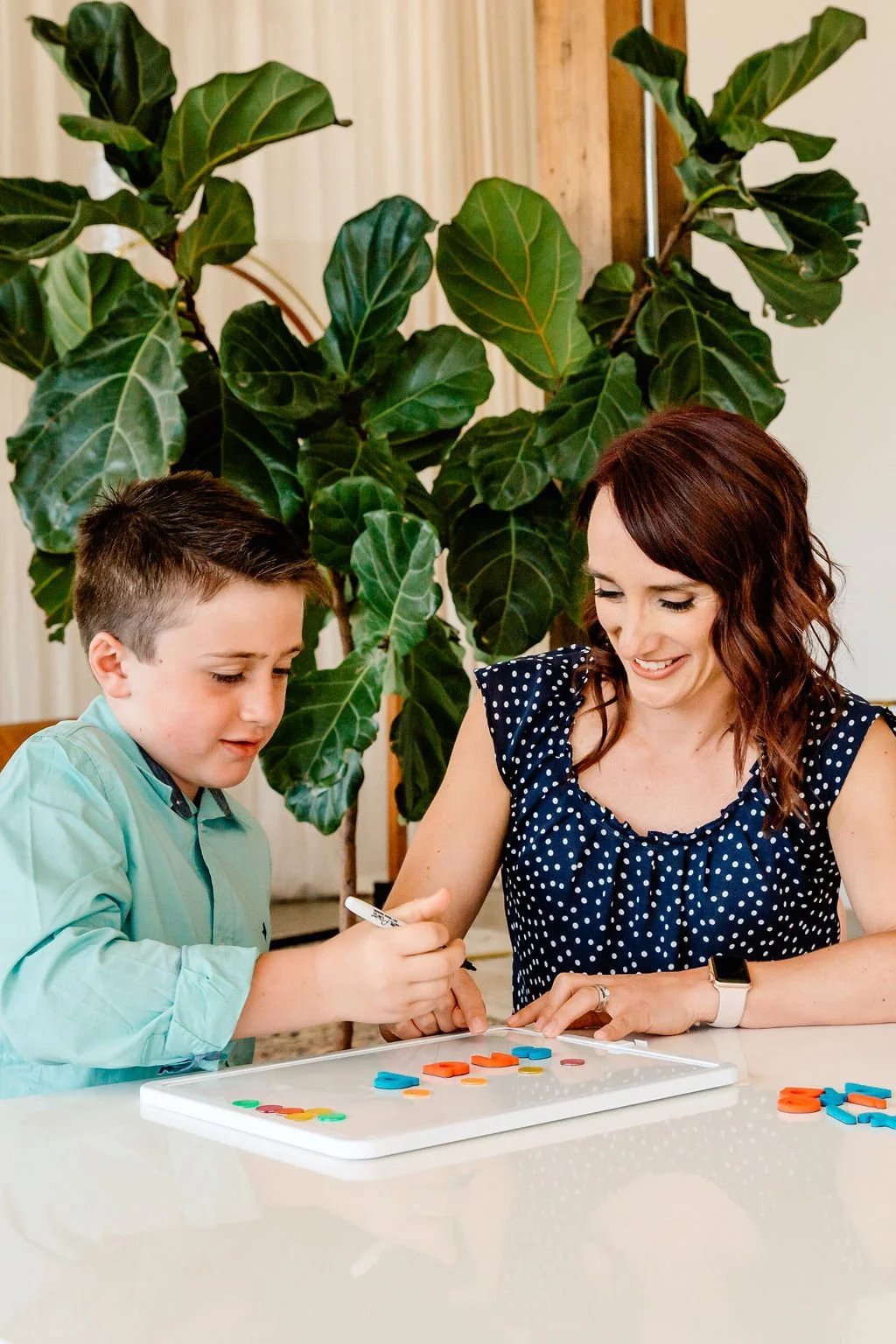
I'm Corey, and I've spent over 20 years working directly with students, including those with significant reading difficulties, in both clinical and classroom settings.
My background is grounded in cognitive development and learning research, and I've spent my career translating evidence-based practices into clear, usable instruction for educators.
One of the things I've learned from working directly with students is just how important it is to recognize the small steps of progress along the way.
Sometimes those little changes are easy to miss when we're focused on the bigger goals.
That's why I've always believed progress monitoring should be a natural part of our instruction, not another complicated task to add to our day.
I created this training to share the tools and processes we've used in our own intervention work, so you can spend less time figuring out how to collect data and more time helping your students grow.
Frequently Asked Questions
-
This training is designed for educators who provide literacy instruction and want a practical way to measure student growth.
Whether you're a classroom teacher, reading interventionist, special educator, or tutor, you'll learn how to set meaningful goals and monitor progress across essential literacy skills.
It's especially helpful if you're working with students who need targeted intervention and want to make sure the instruction you're providing is helping them grow.
-
Absolutely! You don't need to start over or replace the assessments you're already using.
We'll show you how to connect your existing data to meaningful instructional goals and identify the specific skills you want to monitor.
You'll also receive ready-to-use progress monitoring probes and tracking tools that you can incorporate wherever they're helpful.
-
You'll receive our one-hour, on-demand Progress Monitoring Made Simple training, along with:
A training workbook
A comprehensive Progress Monitoring Toolkit with skill-specific probes and tracking sheets
Goal-setting resources and measurable literacy goal examples
A digital data tracking tool
A professional development certificate upon successful completion of the training quiz
Everything is included with your one-time $35 purchase!
-
You'll receive instant access after purchasing and can work through the training whenever it's convenient for you.
You'll also have lifetime access, so you can revisit the training and resources whenever you need a refresher.
-
After completing the training, you'll take a short quiz to demonstrate your understanding. Once completed, your professional development certificate will be emailed to you.
You can submit your certificate to your school or district for professional learning credit, subject to their requirements.
-
Our individual Spotlight PD purchases are intended for one educator. If you're interested in providing access to your school or team, please contact us to learn more about group pricing.
-
We want you to feel confident in your purchase! If you're not satisfied with the training, you can request a full refund within seven days of purchase.