How to Teach Phonological Awareness Systematically
Today, we wanted to dive into a critical component of literacy intervention -
Phonological Awareness
We always knew of the importance of phonological awareness in developing literacy skills, and we knew that underdeveloped phonological awareness skills are a critical factor in students with reading struggles, such as dyslexia, and are a common issue for students with speech-language disorders.
If you know us at all, you know that we always frame everything from the literacy processing triangle lens.
We need to focus on making the connection between the letters we see (orthography), to the sounds we hear (phonology), to the meaning structure (semantics).
Clearly, phonology has a big role to play, and phonological awareness is the awareness of the sound structure of the language. Teaching phonological awareness explicitly is CRITICAL in closing the gap for struggling readers. David Kilpatrick, a leading researcher in the field of literacy, states, “Every point in a child’s development of word-level reading is affected by phonological awareness” in his amazing book Assessing, Preventing, and Overcoming Reading Disabilities - and this MAKES SENSE! When you look at the literacy processing triangle, you recognize that without closing this circuit fully, you cannot read effectively, and you can’t close the circuit without hitting the phonological aspect of reading and writing.

The problem is that it always appears we are laying this instruction into our literacy intervention as a completely separate task or activity. When we do this, we risk our students not making the connection between our phonological awareness drills and “real reading and spelling”. We need to make sure that we are EXPLICITLY teaching phonological awareness and that we are INTEGRATING this into our lessons so they can see the connection between phonology, orthography, and semantics.
Even more tragic is when we see interventionists not focusing on Phonological Awareness because students are “too old” or have “aged/tested out” of those skills.
Don’t Teach Phonological Awareness Like This!!!
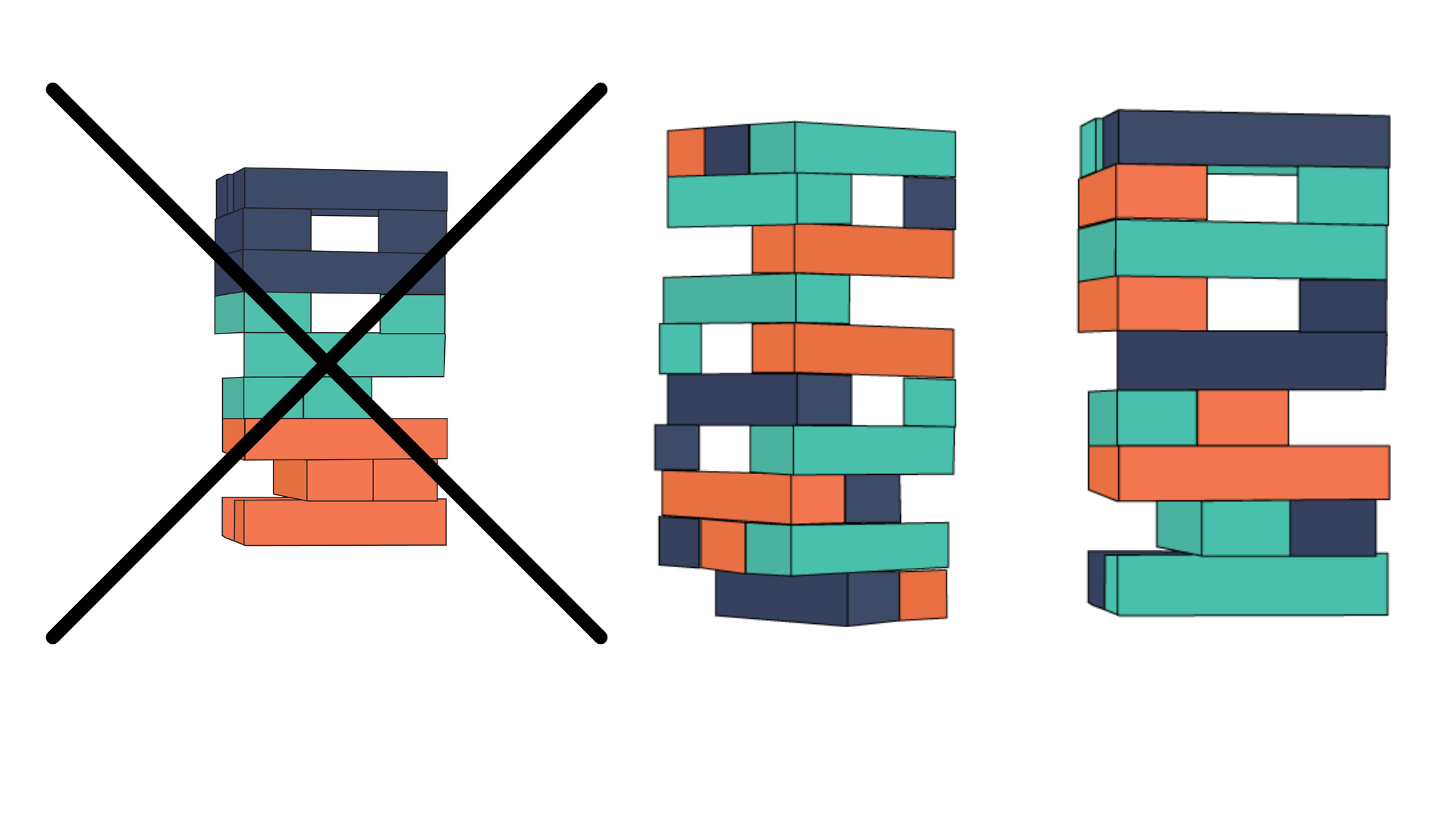
There’s this idea that you teach phonological awareness skills first, and then you teach orthography (phonics), and then you teach vocabulary and comprehension later. But like we said, DON’T do this!
Reading and writing development is like a Jenga tower, and any student who struggles to read has holes in the foundation, unfortunately.
What we’ve been taught is to focus on rebuilding the foundation by starting with Phonological Awareness before moving on to higher-level skills. But these skills DO NOT emerge in isolation from the orthographic and semantic neural networks they work with. They all work TOGETHER as a circuit, and so we need to stop teaching Phonological Awareness skills as isolated drills.
You must teach phonological awareness skills systematically and in relation to orthographic and semantic skills!
Okay, so how exactly does one do this?!
You start by looking at a phonological awareness progression, and then you layer that phonological awareness progression onto an orthographic progression. For us, it made sense to organize this into both a reading progression and a spelling progression because we know that reading and writing are reciprocal processes so we have phonological awareness tasks that support reading and phonological awareness tasks that support spelling (now, it doesn’t break up that clearly in all tasks because again, it’s a reciprocal (heads/tales) phenomenon here. But loosely…

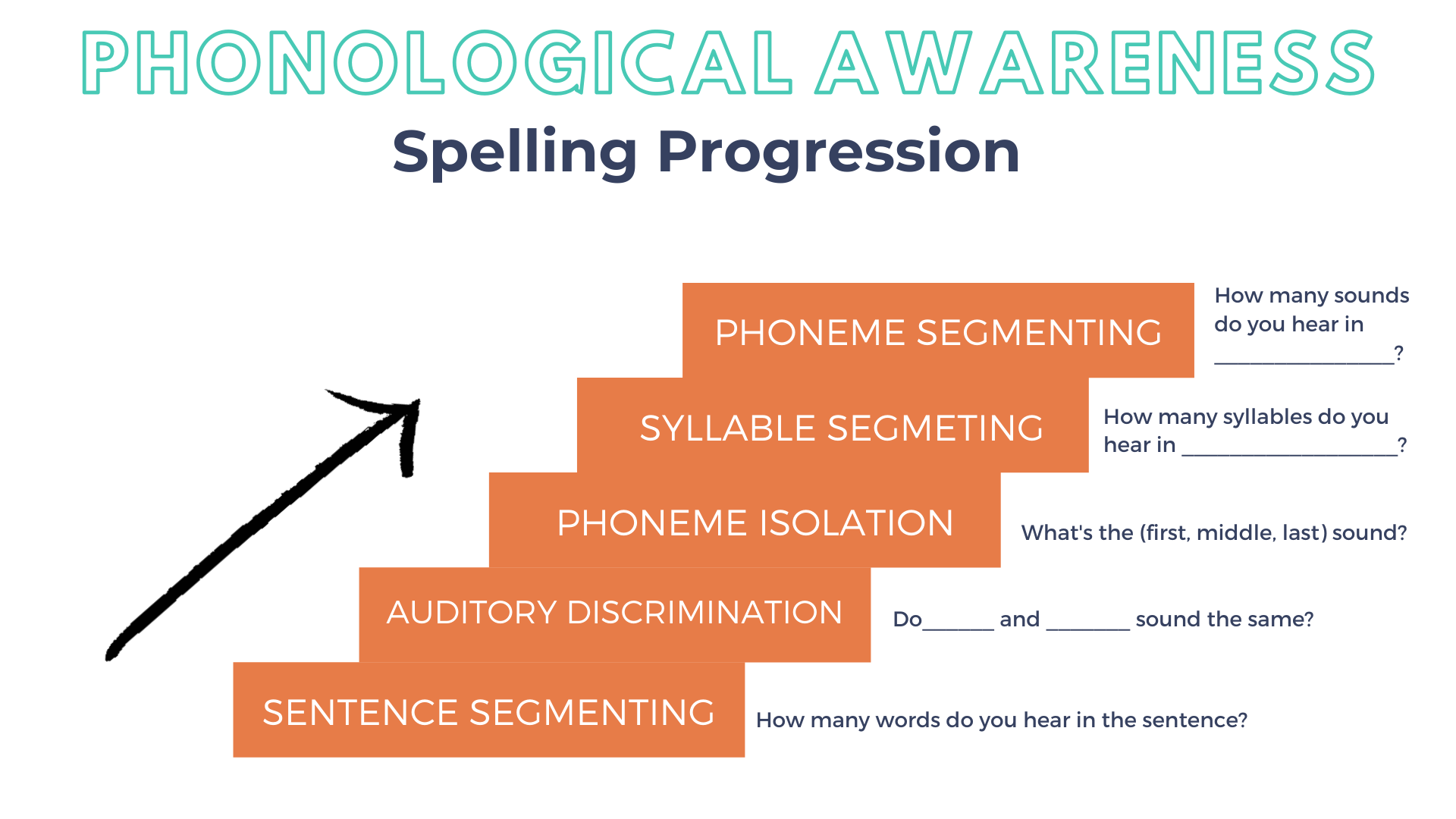
The magic lies in taking this progression and layering it into orthographic and/or semantic processing.
If you can take this progression in your literacy intervention and marry it with your phonogram/orthographic pattern, that’s GOLD! Then, if you can take this a step further and marry it into semantic processing, that’s even better! If you want to begin incorporating more phonological awareness into your instruction, start by trying our FREE PA routine. The PA routine gives you a structure you can follow no matter what other materials or curriculum you’re using.
Check out the video below to see how we work through the PA routine within a lesson.